

Viscoelasticity is a critical property in the performance of rotary swivel seals, which are essential components in a wide range of industrial applications. As a supplier of rotary swivel seals, understanding these viscoelastic properties is crucial for providing high - quality products that meet the diverse needs of our customers.
Introduction to Rotary Swivel Seals
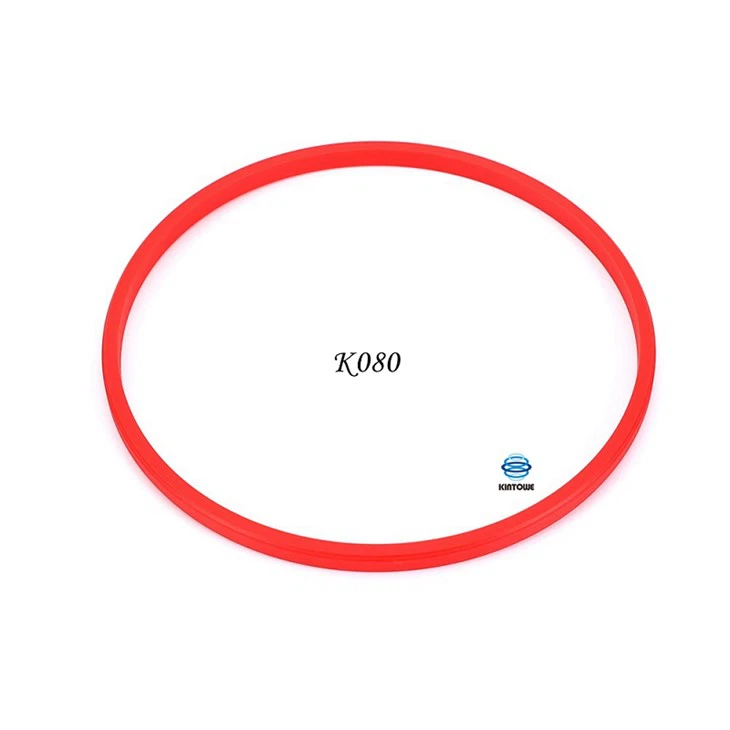
Rotary swivel seals are used to prevent the leakage of fluids (such as hydraulic oil, water, or other lubricants) between rotating and stationary parts in machinery. They are commonly found in hydraulic systems, industrial pumps, and rotating equipment. These seals must withstand various operating conditions, including high pressures, different temperatures, and rotational speeds.
Viscoelasticity: A Fundamental Concept
Viscoelasticity is a property that combines the characteristics of both viscous and elastic materials. Viscous materials, like honey, resist flow and dissipate energy when deformed. Elastic materials, on the other hand, store energy when deformed and return to their original shape once the deforming force is removed. Viscoelastic materials exhibit both behaviors simultaneously.
In the context of rotary swivel seals, viscoelasticity plays a significant role in their performance. When a seal is installed and subjected to pressure and rotation, it deforms. The viscoelastic nature of the seal material allows it to adapt to the surface irregularities of the mating parts, ensuring a tight seal. At the same time, it can dissipate energy generated during deformation, reducing the risk of fatigue failure.
Key Viscoelastic Properties of Rotary Swivel Seals
1. Stress Relaxation
Stress relaxation is the decrease in stress over time when a viscoelastic material is held at a constant strain. In rotary swivel seals, stress relaxation is an important property. When the seal is initially installed and compressed against the mating surfaces, it exerts a certain amount of pressure. Over time, due to the viscoelastic nature of the material, this pressure will gradually decrease.
If the stress relaxation is too high, the seal may lose its ability to maintain a tight seal, leading to fluid leakage. Therefore, for rotary swivel seals, it is crucial to select materials with appropriate stress - relaxation characteristics. For example, Filled PTFE Swivel Seals are known for their relatively low stress - relaxation rates, which makes them suitable for long - term sealing applications.
2. Creep
Creep is the time - dependent deformation of a viscoelastic material under a constant load. In the case of rotary swivel seals, creep can cause the seal to gradually change its shape over time. This can be a problem, especially in applications where precise sealing dimensions are required.
High - creep materials may lead to the seal losing its original shape and not fitting properly, resulting in leakage. Materials with low creep rates are preferred for rotary swivel seals. For instance, Hydraulic Swivel Seals are often made from materials that have been engineered to minimize creep, ensuring long - term sealing performance.
3. Hysteresis
Hysteresis is the difference between the energy input during deformation and the energy output during recovery of a viscoelastic material. In rotary swivel seals, hysteresis is related to the energy dissipation during the sealing process.
When the seal is deformed during rotation and pressure application, energy is absorbed by the material. During the recovery phase, some of this energy is released, but not all. The energy that is not recovered is dissipated as heat. Excessive hysteresis can lead to an increase in the temperature of the seal, which may cause the material to degrade over time. Therefore, for rotary swivel seals, materials with low hysteresis are desirable to ensure stable performance and longer service life. Hydraulic Swivel Pressure Seals are designed to have optimized hysteresis properties to handle high - pressure and high - rotation applications.

Influence of Operating Conditions on Viscoelastic Properties
1. Temperature
Temperature has a significant impact on the viscoelastic properties of rotary swivel seals. As the temperature increases, the viscosity of the viscoelastic material decreases, which means that the material becomes more fluid - like. This can lead to an increase in stress relaxation and creep rates.
For example, at high temperatures, the seal may lose its ability to maintain the required sealing pressure due to increased stress relaxation. On the other hand, at low temperatures, the material may become more brittle, reducing its ability to adapt to surface irregularities. Therefore, when selecting rotary swivel seals, it is essential to consider the operating temperature range and choose materials that can maintain their viscoelastic properties within that range.
2. Pressure
The pressure applied to the rotary swivel seal also affects its viscoelastic properties. Higher pressures can cause greater deformation of the seal, which in turn can increase the stress relaxation and creep rates. In addition, high pressures can generate more energy during deformation, increasing the hysteresis effect.
In applications with high - pressure requirements, such as in hydraulic systems, Hydraulic Swivel Pressure Seals are designed to withstand these conditions. These seals are made from materials that can maintain their viscoelastic properties under high pressures, ensuring reliable sealing performance.
3. Rotational Speed
Rotational speed is another factor that influences the viscoelastic properties of rotary swivel seals. At high rotational speeds, the seal experiences more frequent deformation cycles. This can lead to increased energy dissipation and higher stress on the seal material.
The viscoelastic properties of the seal material need to be able to withstand these cyclic deformations without significant degradation. For example, if the stress - relaxation rate is too high at high rotational speeds, the seal may not be able to maintain a proper seal. Therefore, for high - speed applications, it is important to select seals with appropriate viscoelastic characteristics.
Material Selection for Rotary Swivel Seals Based on Viscoelastic Properties
The choice of material for rotary swivel seals is crucial, as different materials have different viscoelastic properties. Some common materials used for rotary swivel seals include rubber, PTFE, and polyurethane.
Rubber seals are known for their good elasticity and ability to adapt to surface irregularities. However, they may have relatively high stress - relaxation and creep rates, especially at elevated temperatures. Polyurethane seals offer good abrasion resistance and mechanical strength, but their viscoelastic properties may also be affected by temperature and chemical exposure.
PTFE - based seals, such as Filled PTFE Swivel Seals, are often preferred for applications where low friction, chemical resistance, and good viscoelastic properties are required. Filled PTFE materials can be engineered to have low stress - relaxation rates, making them suitable for long - term sealing applications.
Importance of Viscoelastic Properties in Different Applications
1. Hydraulic Systems
In hydraulic systems, rotary swivel seals are used to prevent the leakage of hydraulic fluid. The viscoelastic properties of the seals are crucial for maintaining a tight seal under high pressures and varying temperatures. Hydraulic Swivel Seals need to be able to adapt to the surface roughness of the hydraulic cylinders and shafts, and at the same time, resist stress relaxation and creep to ensure reliable performance.
2. Industrial Pumps
Industrial pumps often require rotary swivel seals to prevent the leakage of pumped fluids. These seals are subjected to different pressures and rotational speeds depending on the pump design. The viscoelastic properties of the seals help them to maintain a proper seal during the operation of the pump, reducing the risk of fluid loss and improving the overall efficiency of the pump.
3. Rotating Equipment
In general rotating equipment, such as motors and gearboxes, rotary swivel seals are used to protect the internal components from dust, dirt, and fluid ingress. The viscoelastic nature of the seal material allows it to conform to the rotating and stationary parts, ensuring a reliable seal even under dynamic conditions.
Conclusion
The viscoelastic properties of rotary swivel seals are of utmost importance for their performance in various industrial applications. Stress relaxation, creep, and hysteresis are key viscoelastic properties that need to be carefully considered when selecting seal materials. The operating conditions, including temperature, pressure, and rotational speed, also have a significant impact on these properties.
As a supplier of rotary swivel seals, we understand the critical role that viscoelastic properties play in the performance of our products. We offer a wide range of Filled PTFE Swivel Seals, Hydraulic Swivel Seals, and Hydraulic Swivel Pressure Seals that are designed to meet the diverse needs of our customers.
If you are in need of high - quality rotary swivel seals for your specific application, we encourage you to contact us for more information and to discuss your requirements. Our team of experts is ready to assist you in selecting the most suitable seals based on the viscoelastic properties and other performance criteria.
References
- Ferry, J. D. "Viscoelastic Properties of Polymers." John Wiley & Sons, 1980.
- Lipatov, Yu. S., and Sergeyev, V. A. "Viscoelasticity of Polymers and Filled Polymer Systems." Springer, 1983.
- Tabor, D. "Friction and Wear of Materials." John Wiley & Sons, 1981.