

Hey there! As a rod seals supplier, I've got a lot to say about how these little wonders perform in dusty environments. Rod seals are crucial components in hydraulic systems, and their performance in tough conditions can make or break the whole operation. So, let's dive right in and explore how rod seals hold up when dust is in the air.
The Basics of Rod Seals
First off, let's quickly go over what rod seals are. Rod seals are used in hydraulic cylinders to prevent fluid leakage and keep contaminants out. They're typically installed on the rod of a hydraulic cylinder, which is the part that extends and retracts. The main job of a rod seal is to maintain a tight seal between the rod and the cylinder bore, ensuring that the hydraulic fluid stays where it's supposed to and that dirt, dust, and other particles don't get in.
There are different types of rod seals available, each with its own unique features and benefits. For example, Hydraulic Cylinder Rod Seals are designed specifically for use in hydraulic cylinders. They're made from high-quality materials that can withstand the high pressures and temperatures found in these systems. Another type is the Rod and Piston Seals, which are used to seal both the rod and the piston in a hydraulic cylinder. And then there are Polyurethane Single Lip Rod Seals, which are known for their excellent wear resistance and low friction.
Challenges in Dusty Environments
Now, let's talk about the challenges that rod seals face in dusty environments. Dust is one of the biggest enemies of hydraulic systems. When dust particles get into the system, they can cause a lot of problems. For starters, they can wear down the rod seals, reducing their effectiveness and lifespan. The abrasive nature of dust can scratch the surface of the seals, creating tiny gaps where fluid can leak out and more dust can get in.
In addition to wear, dust can also cause the seals to stick or bind. This can make the rod move unevenly, leading to poor performance and potentially damaging the cylinder. And if the dust is allowed to accumulate inside the system, it can clog the filters and valves, reducing the flow of hydraulic fluid and causing the system to overheat.
How Rod Seals Overcome These Challenges
So, how do rod seals manage to perform in such a challenging environment? Well, it all comes down to the design and materials used. Modern rod seals are made from advanced materials that are specifically designed to resist wear and abrasion. For example, polyurethane is a popular choice for rod seals because it's tough, flexible, and has excellent resistance to chemicals and oils.
In addition to the materials, the design of the rod seals also plays a crucial role. Many rod seals are designed with a lip or a wiper that helps to keep dust and other contaminants out. The lip creates a barrier between the rod and the outside environment, preventing dust from entering the system. Some seals also have a special coating or treatment that further enhances their dust resistance.
Another important factor is the installation of the rod seals. Proper installation is essential to ensure that the seals perform as intended. The seals need to be installed correctly, with the right amount of preload and alignment. If the seals are installed incorrectly, they may not seal properly, which can lead to leakage and premature wear.
Testing and Quality Assurance
At our company, we take the performance of our rod seals very seriously. That's why we put all of our seals through rigorous testing to ensure that they meet the highest standards of quality and performance. We test our seals in a variety of conditions, including dusty environments, to make sure that they can withstand the challenges they'll face in the real world.
We use advanced testing equipment and techniques to evaluate the performance of our seals. For example, we use abrasion testing machines to simulate the wear and tear that the seals will experience in a dusty environment. We also use pressure testing equipment to ensure that the seals can withstand the high pressures found in hydraulic systems.
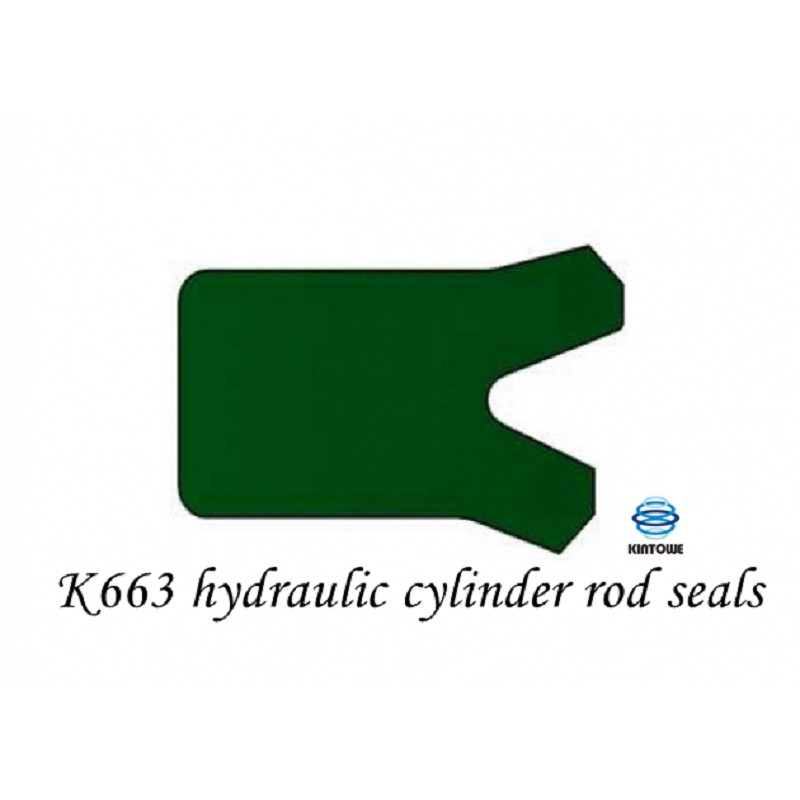

In addition to testing, we also have a strict quality assurance program in place. We inspect every seal before it leaves our factory to make sure that it meets our quality standards. We use a combination of visual inspection and dimensional measurement to ensure that the seals are free from defects and meet the specifications.
Case Studies
To give you a better idea of how our rod seals perform in dusty environments, let me share a few case studies with you. One of our customers was a construction company that was using hydraulic cylinders in a very dusty quarry. They were experiencing frequent seal failures, which were causing downtime and costly repairs.
We recommended that they switch to our Polyurethane Single Lip Rod Seals. These seals are made from a high-quality polyurethane material that has excellent wear resistance and low friction. After installing the new seals, the customer noticed a significant improvement in the performance of their hydraulic cylinders. The seals were able to withstand the dust and abrasion in the quarry environment, and the frequency of seal failures was greatly reduced.
Another customer was a mining company that was using hydraulic systems in a coal mine. The coal dust in the mine was causing a lot of problems for their rod seals, including wear, leakage, and sticking. We provided them with our Rod and Piston Seals, which are designed to provide a tight seal and prevent dust from entering the system. The new seals were able to keep the dust out, and the performance of the hydraulic systems improved significantly.
Conclusion
In conclusion, rod seals can perform very well in dusty environments if they're designed and manufactured correctly. By using advanced materials, innovative designs, and rigorous testing, we're able to produce rod seals that can withstand the challenges of dusty environments. Whether you're in the construction, mining, or any other industry that uses hydraulic systems, our rod seals can help you keep your equipment running smoothly and efficiently.
If you're interested in learning more about our rod seals or have any questions about how they can perform in your specific application, please don't hesitate to contact us. We'd be happy to discuss your needs and provide you with a customized solution. Let's work together to ensure that your hydraulic systems are protected and performing at their best.
References
- "Hydraulic Seals Handbook" by John W. Mitchell
- "Sealing Technology for Fluid Power Systems" by David A. Dowson
- Various industry research reports on rod seal performance in harsh environments.