

In the dynamic world of industrial engineering, the performance and reliability of machinery are paramount. One crucial component that often goes unnoticed but plays a vital role in ensuring the smooth operation of hydraulic systems is the rod step seal. As a trusted supplier of rod step seals, I am frequently asked about their resistance to chemicals. In this blog post, I will delve into the topic of chemical resistance of rod step seals, exploring the factors that influence it and the importance of choosing the right seals for your specific applications.
Understanding Rod Step Seals
Before we discuss the chemical resistance of rod step seals, it's essential to understand what they are and how they function. Rod step seals are designed to prevent the leakage of hydraulic fluid from a cylinder while also keeping contaminants out. They are typically used in hydraulic cylinders, where they are installed on the rod to provide a tight seal between the rod and the cylinder bore.
Rod step seals are available in a variety of materials, including polyurethane, rubber, and PTFE. Each material has its own unique properties and characteristics, which make it suitable for different applications. For example, polyurethane seals are known for their excellent wear resistance, high tensile strength, and good chemical resistance. Rubber seals, on the other hand, are more flexible and have better low-temperature performance. PTFE seals are highly resistant to chemicals and have a low coefficient of friction, making them ideal for applications where friction is a concern.
Chemical Resistance of Rod Step Seals
The chemical resistance of rod step seals is a critical factor to consider when selecting seals for your hydraulic system. Exposure to chemicals can cause seals to swell, harden, or degrade, which can lead to leakage and premature failure of the seals. Therefore, it's important to choose seals that are resistant to the chemicals that they will be exposed to in your application.
The chemical resistance of rod step seals depends on several factors, including the material of the seal, the type and concentration of the chemicals, the temperature and pressure of the environment, and the duration of exposure. Different materials have different levels of chemical resistance, so it's important to choose the right material for your specific application.
Polyurethane Seals
Polyurethane seals are one of the most commonly used materials for rod step seals due to their excellent wear resistance, high tensile strength, and good chemical resistance. Polyurethane seals are resistant to a wide range of chemicals, including hydraulic fluids, oils, greases, and many solvents. However, they are not resistant to all chemicals, and exposure to certain chemicals can cause them to swell, harden, or degrade.
For example, polyurethane seals are not resistant to strong acids, alkalis, or polar solvents. Exposure to these chemicals can cause the seals to break down and lose their sealing properties. Therefore, it's important to avoid using polyurethane seals in applications where they will be exposed to these chemicals.
If you need a seal that is resistant to a specific chemical, you can choose a polyurethane seal that has been specially formulated for that application. For example, some polyurethane seals are formulated with additives that improve their resistance to specific chemicals, such as acids or alkalis. These seals are often referred to as "chemical-resistant" or "chemically modified" polyurethane seals.
Rubber Seals
Rubber seals are another popular choice for rod step seals due to their flexibility, good low-temperature performance, and relatively low cost. Rubber seals are available in a variety of materials, including nitrile rubber (NBR), fluorocarbon rubber (FKM), and ethylene propylene diene monomer (EPDM). Each material has its own unique properties and characteristics, which make it suitable for different applications.
Nitrile rubber seals are the most commonly used rubber seals for rod step seals due to their excellent resistance to hydraulic fluids, oils, and greases. They are also resistant to many solvents and fuels. However, they are not resistant to strong acids, alkalis, or polar solvents. Exposure to these chemicals can cause the seals to swell, harden, or degrade.

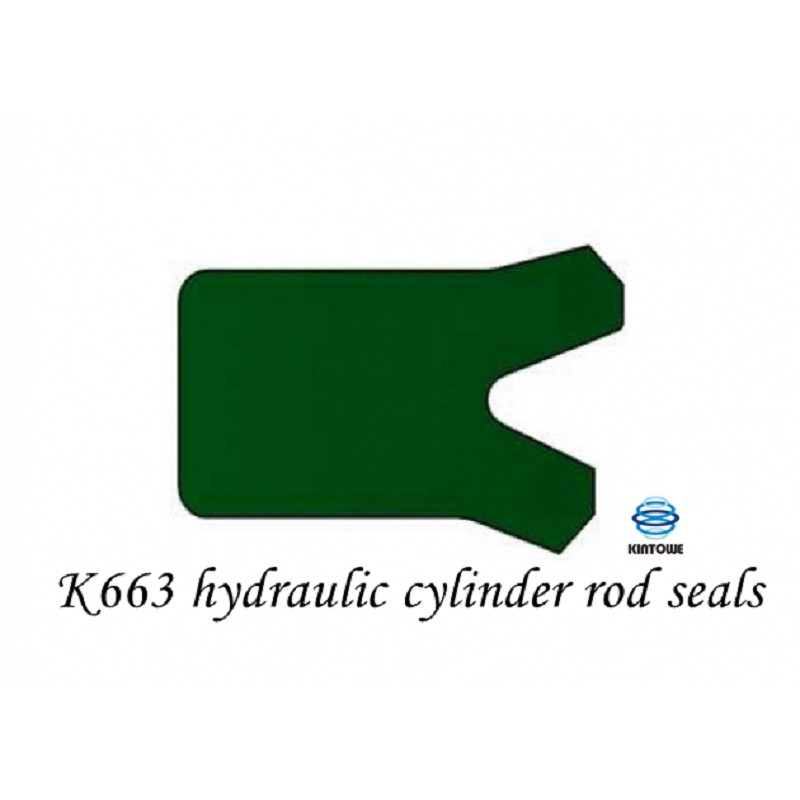
Fluorocarbon rubber seals are highly resistant to a wide range of chemicals, including strong acids, alkalis, and polar solvents. They are also resistant to high temperatures and have excellent weather resistance. However, they are more expensive than nitrile rubber seals and have a higher coefficient of friction, which can cause them to wear out more quickly.
Ethylene propylene diene monomer (EPDM) seals are resistant to a wide range of chemicals, including water, steam, and many acids and alkalis. They are also resistant to high temperatures and have excellent weather resistance. However, they are not resistant to oils and greases, and exposure to these chemicals can cause them to swell and lose their sealing properties.
PTFE Seals
PTFE seals are highly resistant to a wide range of chemicals, including strong acids, alkalis, and polar solvents. They are also resistant to high temperatures and have a low coefficient of friction, making them ideal for applications where friction is a concern. However, PTFE seals are more expensive than polyurethane and rubber seals and are not as flexible, which can make them more difficult to install.
PTFE seals are often used in applications where chemical resistance is critical, such as in the chemical processing industry, the food and beverage industry, and the pharmaceutical industry. They are also used in applications where high temperatures or low friction are required, such as in aerospace and automotive applications.
Factors Affecting Chemical Resistance
In addition to the material of the seal, several other factors can affect the chemical resistance of rod step seals. These factors include the type and concentration of the chemicals, the temperature and pressure of the environment, and the duration of exposure.
Type and Concentration of Chemicals
The type and concentration of the chemicals that the seals will be exposed to are important factors to consider when selecting seals for your application. Different chemicals have different levels of reactivity, and some chemicals can be more aggressive than others. Therefore, it's important to choose seals that are resistant to the specific chemicals that they will be exposed to in your application.
The concentration of the chemicals can also affect the chemical resistance of the seals. In general, higher concentrations of chemicals are more likely to cause seals to swell, harden, or degrade. Therefore, it's important to choose seals that are rated for the specific concentration of chemicals that they will be exposed to in your application.
Temperature and Pressure
The temperature and pressure of the environment can also affect the chemical resistance of rod step seals. In general, higher temperatures and pressures can accelerate the chemical reactions between the seals and the chemicals, which can cause the seals to degrade more quickly. Therefore, it's important to choose seals that are rated for the specific temperature and pressure conditions of your application.
Duration of Exposure
The duration of exposure to the chemicals is another important factor to consider when selecting seals for your application. In general, longer exposure times are more likely to cause seals to swell, harden, or degrade. Therefore, it's important to choose seals that are rated for the specific duration of exposure to the chemicals that they will be exposed to in your application.
Importance of Choosing the Right Seals
Choosing the right rod step seals for your hydraulic system is crucial for ensuring the performance and reliability of your machinery. Using seals that are not resistant to the chemicals that they will be exposed to can lead to leakage, premature failure of the seals, and costly downtime. Therefore, it's important to carefully consider the chemical resistance of the seals when selecting them for your application.
In addition to chemical resistance, other factors to consider when selecting rod step seals include the operating temperature and pressure, the speed and frequency of operation, the type of hydraulic fluid being used, and the size and shape of the cylinder. By taking these factors into account, you can choose the right seals for your specific application and ensure the long-term performance and reliability of your hydraulic system.
Conclusion
In conclusion, the chemical resistance of rod step seals is a critical factor to consider when selecting seals for your hydraulic system. Different materials have different levels of chemical resistance, so it's important to choose the right material for your specific application. Polyurethane seals are a popular choice for rod step seals due to their excellent wear resistance, high tensile strength, and good chemical resistance. Rubber seals are more flexible and have better low-temperature performance, while PTFE seals are highly resistant to chemicals and have a low coefficient of friction.
When selecting rod step seals, it's important to consider the type and concentration of the chemicals, the temperature and pressure of the environment, and the duration of exposure. By choosing the right seals for your specific application, you can ensure the long-term performance and reliability of your hydraulic system.
If you are in need of rod step seals or have any questions about their chemical resistance, please don't hesitate to contact us. We are a leading supplier of high-quality rod step seals and can provide you with the expert advice and support you need to choose the right seals for your application. You can explore our product range, including Polyurethane Single Lip Rod Seals, Rod and Piston Seals, and Hydraulic Cylinder Rod Seals on our website. Let's start a conversation about your specific requirements and find the perfect sealing solution for your hydraulic system.
References
- Elastomer Handbook: A Guide to Materials and Their Applications.
- Sealing Technology Handbook.
- Chemical Compatibility Charts for Sealing Materials.
- Manufacturer's Technical Data Sheets for Rod Step Seals.