

The lifespan of rotary swivel seals is a critical consideration for industries relying on hydraulic systems and rotating equipment. As a leading supplier of Rotary Swivel Seals, we understand the importance of these components in ensuring the efficiency and longevity of machinery. In this blog, we will explore the typical lifespan of rotary swivel seals, the factors that influence it, and how to maximize their service life.
Understanding Rotary Swivel Seals
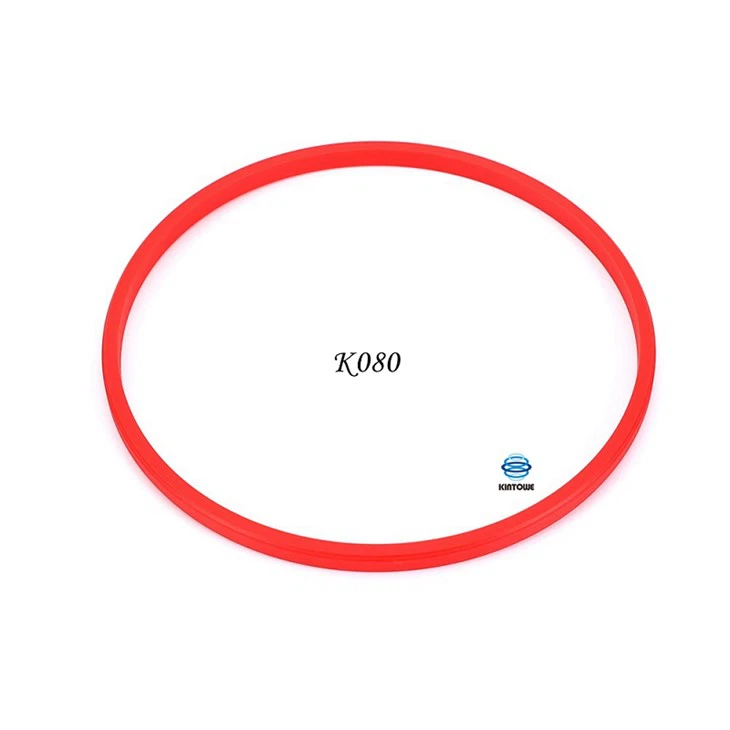
Rotary swivel seals are essential components in hydraulic systems, allowing for the transfer of fluid between stationary and rotating parts. They are designed to prevent leakage of hydraulic fluid, maintain pressure, and protect the system from contaminants. These seals are used in a wide range of applications, including construction equipment, agricultural machinery, and industrial automation.
There are different types of rotary swivel seals available, each with its own unique properties and applications. Some of the common types include Hydraulic Swivel Seals, Filled PTFE Swivel Seals, and Hydraulic Swivel Pressure Seals. The choice of seal depends on factors such as the operating conditions, pressure requirements, and the type of fluid being used.
Typical Lifespan of Rotary Swivel Seals
The typical lifespan of rotary swivel seals can vary significantly depending on several factors. On average, these seals can last anywhere from 2,000 to 10,000 hours of operation. However, in some cases, they may fail earlier, while in others, they can exceed the expected lifespan.
In general, seals used in light-duty applications with low operating pressures and temperatures tend to have a longer lifespan. For example, seals in a small hydraulic system used for a household appliance may last up to 10,000 hours or more. On the other hand, seals in heavy-duty industrial applications, such as construction equipment operating in harsh environments, may have a shorter lifespan, typically around 2,000 to 5,000 hours.
Factors Affecting the Lifespan of Rotary Swivel Seals
Several factors can influence the lifespan of rotary swivel seals. Understanding these factors is crucial for predicting the seal's performance and taking appropriate measures to extend its service life.

Operating Conditions
The operating conditions play a significant role in determining the lifespan of rotary swivel seals. High temperatures, extreme pressures, and rapid temperature changes can all cause the seal material to degrade over time. For example, if the seal is exposed to temperatures above its recommended operating range, it may become brittle and lose its sealing properties. Similarly, high pressures can cause the seal to deform, leading to leakage.
Fluid Compatibility
The compatibility of the seal material with the hydraulic fluid is another important factor. Different fluids have different chemical properties, and if the seal material is not compatible with the fluid, it can cause swelling, hardening, or chemical degradation. This can lead to premature seal failure and reduced system performance.
Contamination
Contamination is a major cause of seal failure. Particles, dirt, and debris can enter the hydraulic system and damage the seal surface. This can cause abrasion, wear, and leakage. Regular maintenance and the use of proper filtration systems can help prevent contamination and extend the seal's lifespan.
Installation and Alignment
Proper installation and alignment of the seal are essential for its performance and longevity. Incorrect installation can cause the seal to be misaligned, leading to uneven wear and premature failure. It is important to follow the manufacturer's installation instructions carefully and ensure that the seal is installed correctly.
Design and Quality
The design and quality of the seal also play a role in its lifespan. High-quality seals are typically made from superior materials and are designed to withstand the operating conditions. They may also have features such as reinforced edges or special coatings to improve their performance and durability.
Maximizing the Lifespan of Rotary Swivel Seals
To maximize the lifespan of rotary swivel seals, it is important to take several preventive measures.
Select the Right Seal
Choosing the right seal for the application is the first step in ensuring its long-term performance. Consider factors such as the operating conditions, fluid compatibility, and pressure requirements when selecting a seal. Consult with a seal expert or the manufacturer to determine the most suitable seal for your needs.
Maintain Proper Operating Conditions
Maintaining proper operating conditions is crucial for the longevity of the seal. Keep the operating temperature and pressure within the recommended range, and avoid rapid temperature changes. Regularly monitor the system for any signs of overheating or excessive pressure.
Ensure Fluid Compatibility
Use a hydraulic fluid that is compatible with the seal material. Check the manufacturer's recommendations for fluid compatibility and ensure that the fluid is clean and free of contaminants. Regularly change the fluid and the filter to prevent contamination.
Prevent Contamination
Implement a regular maintenance schedule to prevent contamination. Use proper filtration systems to remove particles and debris from the hydraulic fluid. Keep the system clean and free of dirt and dust.
Proper Installation and Alignment
Follow the manufacturer's installation instructions carefully to ensure proper installation and alignment of the seal. Use the correct tools and techniques to install the seal, and make sure it is properly seated and aligned.
Conclusion
The lifespan of rotary swivel seals can vary depending on several factors, including operating conditions, fluid compatibility, contamination, installation, and design. By understanding these factors and taking appropriate preventive measures, you can extend the lifespan of your seals and ensure the efficient operation of your hydraulic system.
As a supplier of Rotary Swivel Seals, we are committed to providing high-quality seals that meet the needs of our customers. Our seals are designed to withstand the most demanding operating conditions and are backed by our technical expertise and support. If you have any questions or need assistance in selecting the right seal for your application, please feel free to contact us. We look forward to working with you to ensure the long-term performance of your hydraulic system.
References
- Seal Handbook, Seal Manufacturers Association
- Hydraulic Systems: Design, Installation, and Maintenance, Industrial Press Inc.
- Materials Science and Engineering: An Introduction, William D. Callister Jr.