

Maintaining the quality of rod and piston seals is crucial for their performance and longevity. As a supplier of rod and piston seals, I understand the significance of proper storage conditions in preserving these essential components. In this blog post, I will discuss the key factors to consider when storing rod and piston seals to ensure they remain in optimal condition.
Temperature
Temperature plays a vital role in the storage of rod and piston seals. Extreme temperatures can cause the seals to harden, crack, or lose their elasticity, leading to reduced performance and potential failure. Therefore, it is essential to store seals in a temperature-controlled environment.
Ideally, rod and piston seals should be stored at a temperature between 20°C and 25°C (68°F and 77°F). This range helps to maintain the seals' physical properties and prevents premature aging. Avoid storing seals in areas that are subject to direct sunlight, heat sources, or cold drafts, as these can cause temperature fluctuations that may damage the seals.
If you need to store seals in a colder environment, make sure to allow them to reach room temperature before installation. This will help to prevent the seals from becoming brittle and ensure a proper fit.
Humidity
Humidity is another critical factor to consider when storing rod and piston seals. High humidity levels can cause corrosion, mold growth, and other forms of damage to the seals. Therefore, it is important to store seals in a dry environment with a relative humidity of less than 60%.
To reduce humidity levels, you can use desiccants such as silica gel packets or dehumidifiers. These can help to absorb moisture from the air and prevent it from coming into contact with the seals. Additionally, make sure to store seals in sealed containers or bags to protect them from moisture.
Light
Exposure to light can also have a negative impact on the quality of rod and piston seals. Ultraviolet (UV) light, in particular, can cause the seals to degrade and lose their physical properties over time. Therefore, it is important to store seals in a dark environment or in opaque containers to protect them from light.
If you need to store seals in an area with some light exposure, make sure to use UV-resistant containers or covers to minimize the damage. Additionally, avoid storing seals near windows or other sources of direct sunlight.
Chemical Exposure
Rod and piston seals can be sensitive to certain chemicals, including solvents, oils, and cleaning agents. Exposure to these chemicals can cause the seals to swell, shrink, or become brittle, leading to reduced performance and potential failure. Therefore, it is important to store seals away from any sources of chemical exposure.
If you need to clean the seals before storage, make sure to use a mild, non-abrasive cleaning agent that is compatible with the seal material. Avoid using harsh chemicals or solvents, as these can damage the seals. Additionally, make sure to dry the seals thoroughly before storing them to prevent any residual moisture from causing damage.

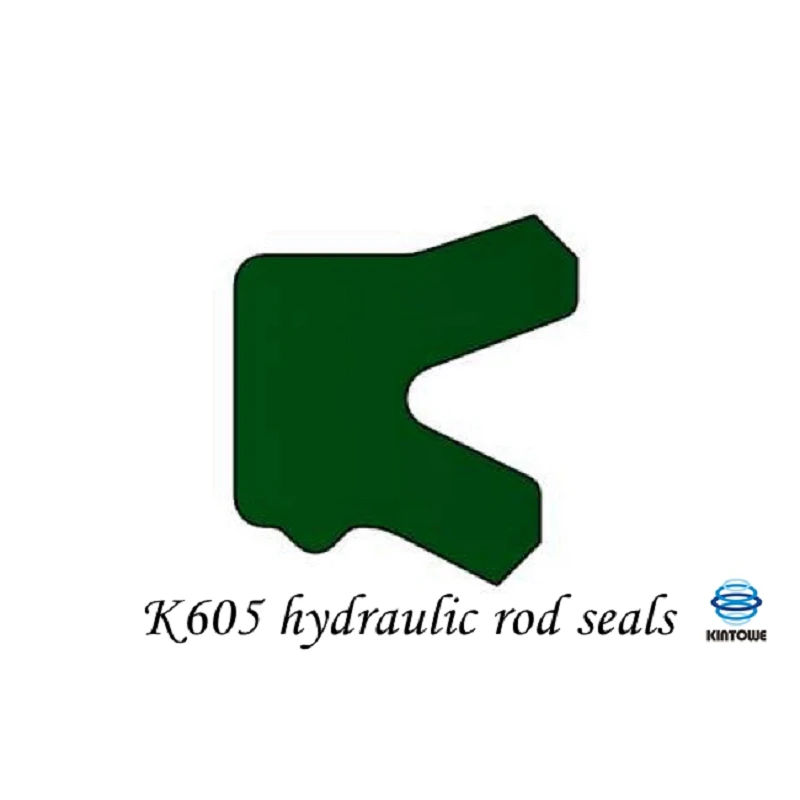
Packaging
Proper packaging is essential for protecting rod and piston seals during storage and transportation. Seals should be stored in sealed containers or bags to prevent them from coming into contact with dust, dirt, moisture, and other contaminants. Additionally, make sure to label the containers or bags with the seal type, size, and other relevant information to make it easy to identify the seals.
If you are shipping the seals, make sure to use a sturdy, protective packaging material to prevent them from being damaged during transit. Additionally, make sure to include any necessary documentation, such as a packing list or certificate of compliance, to ensure a smooth delivery process.
Handling
Proper handling of rod and piston seals is also important to maintain their quality. When handling the seals, make sure to use clean, dry hands or gloves to prevent any contaminants from coming into contact with the seals. Additionally, avoid using sharp or abrasive tools that can damage the seals.
When installing the seals, make sure to follow the manufacturer's instructions carefully. This will help to ensure a proper fit and prevent any damage to the seals during installation. Additionally, make sure to lubricate the seals before installation to reduce friction and prevent damage.
Conclusion
In conclusion, proper storage conditions are essential for maintaining the quality of rod and piston seals. By considering factors such as temperature, humidity, light, chemical exposure, packaging, and handling, you can ensure that your seals remain in optimal condition and perform as expected.
As a supplier of rod and piston seals, I am committed to providing high-quality products and ensuring that they are stored and handled properly. If you have any questions or need further information about the storage conditions for rod and piston seals, please do not hesitate to contact me. I would be happy to assist you with your procurement needs and help you find the right seals for your application.
If you are interested in learning more about our Hydraulic Rod Seals, Hydraulic Rod Step Seals, or Rod Step Seals, please feel free to reach out to us. We are always ready to discuss your specific requirements and provide you with the best solutions.
References
- Seal Handbook, Parker Hannifin Corporation
- Sealing Technology Handbook, Trelleborg Sealing Solutions
- Rubber Seals and Gaskets: A Practical Guide, Rapra Technology Limited