

Hey there! As a supplier of piston and rod seals, I've seen firsthand the numerous advantages of using rubber piston and rod seals in various applications. In this blog, I'll break down these benefits to give you a clear picture of why rubber seals are a top choice for many industries.
1. Excellent Sealing Performance
One of the most significant advantages of rubber piston and rod seals is their outstanding sealing capabilities. Rubber has a high degree of elasticity, which allows it to conform to irregular surfaces and fill gaps effectively. When installed in a hydraulic or pneumatic system, the rubber seal creates a tight barrier that prevents fluid or gas leakage. This is crucial for maintaining the efficiency and reliability of the system.
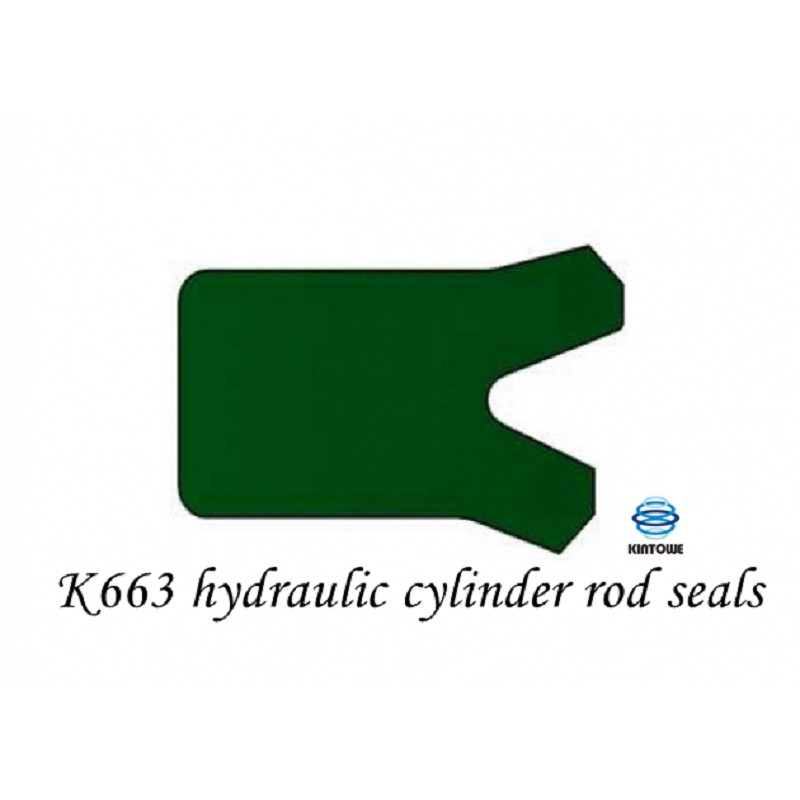
For example, in a hydraulic cylinder, a well - fitting rubber rod seal can prevent hydraulic fluid from leaking out, ensuring that the cylinder operates smoothly and with the correct amount of force. If the seal fails, it can lead to a loss of pressure, reduced performance, and even damage to other components in the system. You can find a wide range of Hydraulic Cylinder Rod Seals on our website, designed to provide optimal sealing performance.
2. Resistance to Wear and Tear
Rubber piston and rod seals are known for their durability. They can withstand repeated movements and friction without significant wear. This is because rubber has good abrasion resistance, which means it can resist the effects of rubbing against other surfaces over time.
In industrial applications where pistons and rods are constantly in motion, such as in manufacturing equipment or construction machinery, a durable seal is essential. A rubber seal can last for a long time, reducing the need for frequent replacements and minimizing downtime. For instance, in a hydraulic press, the rubber piston seal can endure the high - pressure and high - frequency movements, ensuring the long - term operation of the press.
3. Chemical Resistance
Another great advantage of rubber seals is their resistance to various chemicals. Different types of rubber can be formulated to resist specific chemicals, such as oils, solvents, acids, and alkalis. This makes them suitable for a wide range of applications in different industries.
In the chemical processing industry, for example, rubber seals are used in pumps and valves to prevent the leakage of corrosive chemicals. By choosing the right type of rubber, such as nitrile rubber (NBR) for oil resistance or fluorocarbon rubber (FKM) for high - temperature and chemical resistance, you can ensure that the seals will not be damaged by the chemicals they come into contact with. We also offer Hydraulic Rod Step Seals made from different rubber materials to meet the specific chemical resistance requirements of your application.
4. Temperature Adaptability
Rubber piston and rod seals can operate effectively over a wide range of temperatures. Some types of rubber can withstand extremely low temperatures without becoming brittle, while others can handle high temperatures without losing their elasticity.
In automotive applications, for example, rubber seals are used in engines and transmissions, where they are exposed to both high - temperature conditions during operation and low - temperature conditions during cold starts. By using a rubber seal with the appropriate temperature range, you can ensure that the seal will maintain its sealing performance in all weather conditions.
5. Cost - Effectiveness
When it comes to cost, rubber piston and rod seals are a great option. They are generally more affordable than other types of seals, such as metal or ceramic seals. Additionally, their long service life and low maintenance requirements make them a cost - effective choice in the long run.
Since they don't need to be replaced frequently, you can save on both the cost of the seals themselves and the labor cost associated with replacement. For small and medium - sized businesses, this can be a significant advantage, as it helps to keep the overall operating costs down.
6. Easy Installation
Installing rubber piston and rod seals is relatively easy compared to other types of seals. Their flexibility allows them to be easily fitted into the designated grooves or cavities in the system. This means that less time and skill are required for installation, reducing the overall installation cost.
Even in the field, where quick repairs and replacements are often necessary, rubber seals can be installed without the need for specialized tools or extensive training. This is especially important in industries where downtime needs to be minimized, such as in the transportation or energy sectors.

7. Noise and Vibration Reduction
Rubber has excellent damping properties, which means it can absorb noise and vibrations. In a hydraulic or pneumatic system, the movement of pistons and rods can generate noise and vibrations, which can be a nuisance and even cause damage to the system over time.
By using rubber seals, these noise and vibrations can be significantly reduced. This not only creates a more comfortable working environment but also helps to extend the lifespan of the system by reducing the stress on other components. Hydraulic Rod Buffer Seals are specifically designed to provide additional buffer and vibration - damping functions, ensuring a quieter and smoother operation of the system.
Why Choose Us as Your Seal Supplier
As a professional piston and rod seal supplier, we offer a wide range of rubber seals to meet your specific needs. Our seals are manufactured using high - quality rubber materials and advanced production techniques, ensuring the highest level of performance and reliability.
We have a team of experienced engineers and technicians who can provide you with technical support and advice on choosing the right seals for your application. Whether you need seals for a small - scale project or a large - scale industrial system, we can offer you the best solutions.
If you're interested in our products or have any questions about rubber piston and rod seals, don't hesitate to contact us. We're here to help you make the right choice and ensure the success of your project. Let's start a conversation and see how we can work together to meet your sealing requirements!
References
- "Sealing Technology Handbook" by John D. Adamson
- "Hydraulic and Pneumatic Systems" by Peter C. Chapman
- Industry reports on sealing materials and applications