

Rotary swivel seals play a crucial role in various industrial applications, ensuring the proper functioning of equipment by preventing fluid leakage and maintaining pressure. As a leading supplier of Rotary Swivel Seals, I understand the importance of keeping these seals clean to extend their lifespan and optimize performance. In this blog post, I will share some effective methods on how to clean rotary swivel seals.
Understanding the Importance of Cleaning Rotary Swivel Seals
Before delving into the cleaning process, it's essential to understand why cleaning rotary swivel seals is so important. Over time, seals can accumulate dirt, debris, and contaminants from the surrounding environment. These particles can cause abrasion, leading to premature wear and tear of the seals. Additionally, the presence of contaminants can compromise the sealing performance, resulting in fluid leakage and potential damage to the equipment. By regularly cleaning the seals, you can prevent these issues and ensure the reliable operation of your machinery.
Pre - cleaning Preparations
- Gather the necessary tools: You will need a variety of tools for the cleaning process, including soft brushes (such as nylon brushes), cleaning solvents, lint - free cloths, and a container for soaking the seals if required.
- Shut down the equipment: Before starting the cleaning, make sure the equipment with the rotary swivel seals is completely shut down and powered off. This will prevent any accidental injuries and ensure a safe working environment.
- Drain the fluid: If the seals are in a hydraulic system, drain the hydraulic fluid from the system. This will reduce the amount of fluid that needs to be cleaned off the seals and prevent further contamination.
Cleaning Steps for Rotary Swivel Seals
Step 1: Visual Inspection
Before cleaning, carefully inspect the seals for any signs of damage, such as cracks, cuts, or excessive wear. If you notice any significant damage, it may be necessary to replace the seals instead of cleaning them. Visual inspection can also help you identify the type and location of contaminants on the seals.
Step 2: Remove Loose Debris
Use a soft brush to gently remove any loose dirt, dust, or debris from the surface of the seals. Be careful not to apply too much pressure, as this could damage the seals. Start from the outer edges and work your way towards the center, brushing in a circular motion.
Step 3: Choose the Right Cleaning Solvent
Select a cleaning solvent that is compatible with the material of the seals. For most rotary swivel seals, a mild, non - abrasive solvent is recommended. Avoid using solvents that are too harsh, as they can cause swelling, cracking, or other forms of damage to the seals. Some common solvents used for cleaning seals include isopropyl alcohol, mineral spirits, or specialized seal - cleaning solvents.
Step 4: Soak the Seals (Optional)
If the seals are heavily contaminated, you may choose to soak them in the cleaning solvent for a short period. Place the seals in a clean container filled with the solvent and let them soak for 15 - 30 minutes. This will help loosen stubborn contaminants. However, make sure not to soak the seals for too long, as prolonged exposure to the solvent can damage the seal material.
Step 5: Brush the Seals Again
After soaking (if applicable), use the soft brush to gently scrub the seals again. Pay special attention to areas with stubborn contaminants. Make sure to clean all surfaces of the seals, including the inner and outer diameters, as well as any grooves or channels.
Step 6: Rinse the Seals
Once the seals have been thoroughly brushed, rinse them with clean water to remove any remaining solvent and contaminants. Use a gentle stream of water and ensure that all parts of the seals are rinsed clean.
Step 7: Dry the Seals
Pat the seals dry with a lint - free cloth. Make sure to remove all moisture from the seals, as any remaining water can cause corrosion or other issues. You can also let the seals air - dry for a few hours to ensure complete dryness.
Special Considerations for Different Types of Rotary Swivel Seals
Hydraulic Swivel Pressure Seals
Hydraulic Swivel Pressure Seals are designed to withstand high pressures in hydraulic systems. When cleaning these seals, it's crucial to use a cleaning solvent that is compatible with the hydraulic fluid used in the system. Additionally, pay close attention to the sealing lips of these seals, as they are critical for maintaining pressure. Use a very soft brush to clean the sealing lips to avoid any damage.
Filled PTFE Swivel Seals
Filled PTFE Swivel Seals have unique properties due to the filled PTFE material. They are generally more resistant to chemicals and abrasion. However, when cleaning them, avoid using solvents that can react with the filler material. A mild soap solution or isopropyl alcohol is usually a good choice for cleaning filled PTFE swivel seals.

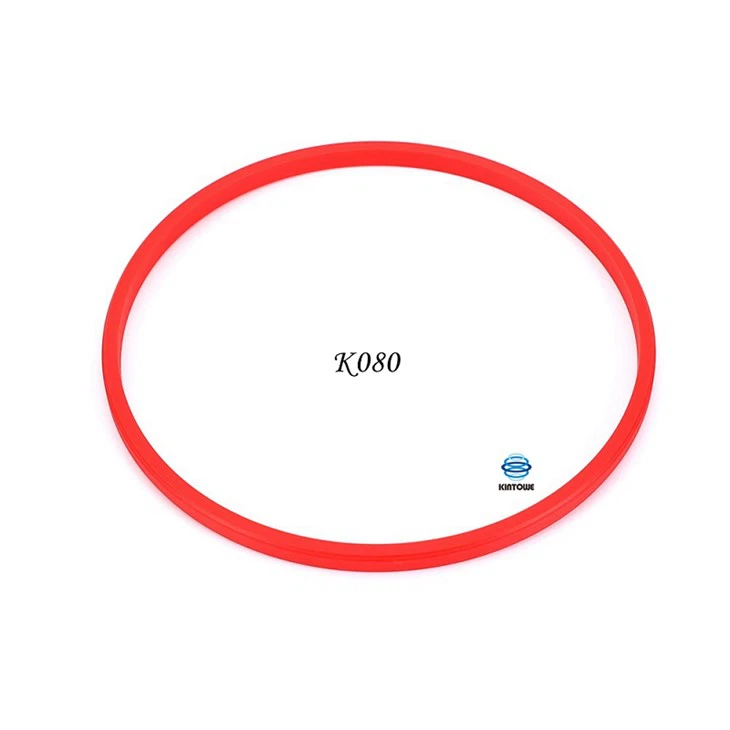
General Hydraulic Swivel Seals
Hydraulic Swivel Seals are widely used in various hydraulic applications. When cleaning these seals, ensure that all hydraulic fluid is removed during the cleaning process. Any remaining hydraulic fluid can attract more dirt and contaminants, reducing the effectiveness of the cleaning.
Post - cleaning Maintenance
- Inspect the Seals Again: After cleaning and drying, perform another visual inspection of the seals. Check for any remaining contaminants or signs of damage. If everything looks good, the seals are ready to be reinstalled.
- Lubricate the Seals: Before reinstalling the seals, apply a thin layer of compatible lubricant to the sealing surfaces. This will help reduce friction during operation and improve the sealing performance.
- Reinstall the Seals Properly: Make sure to reinstall the seals correctly, following the manufacturer's instructions. Incorrect installation can lead to premature seal failure.
Conclusion
Cleaning rotary swivel seals is a vital part of maintaining the performance and longevity of your industrial equipment. By following the steps outlined in this blog post and considering the specific requirements of different types of seals, you can ensure that your seals remain in good condition. As a trusted supplier of Rotary Swivel Seals, we are committed to providing high - quality products and sharing valuable knowledge with our customers.
If you are interested in purchasing high - quality rotary swivel seals or have any questions about seal cleaning and maintenance, please feel free to contact us for further discussion. We look forward to working with you to meet your sealing needs.
References
- "Industrial Sealing Handbook" by Leakage Prevention Association
- Manufacturer's manuals for various rotary swivel seals