

Adjusting the clearance of bearings and washers during operation is a crucial task that can significantly impact the performance and longevity of machinery. As a seasoned supplier of bearings and washers, I've encountered numerous situations where improper clearance adjustment led to premature wear, inefficiencies, and even equipment failures. In this blog post, I'll share some practical tips on how to adjust the clearance of bearings and washers during operation, ensuring your machinery runs smoothly and efficiently.
Understanding the Importance of Clearance
Before we dive into the adjustment process, it's essential to understand why clearance is so important. Bearings and washers play a vital role in supporting loads, reducing friction, and enabling smooth rotation in machinery. The clearance between these components affects how they interact with each other and the surrounding parts.
If the clearance is too small, the bearings and washers may overheat due to increased friction, leading to premature wear and potential failure. On the other hand, if the clearance is too large, the components may experience excessive vibration and noise, reducing the machinery's efficiency and accuracy. Therefore, maintaining the proper clearance is crucial for optimal performance and reliability.
Tools and Equipment
To adjust the clearance of bearings and washers, you'll need a few essential tools and equipment. Here's a list of what you'll typically need:
- Feeler gauges: These are used to measure the clearance between the bearings and washers accurately.
- Torque wrenches: To ensure that the bolts and nuts are tightened to the correct specifications.
- Dial indicators: These can be used to measure the radial and axial movement of the bearings and washers.
- Cleaning supplies: Keeping the components clean is essential for accurate measurement and adjustment.
Adjusting the Clearance
Now let's get into the actual process of adjusting the clearance. The steps may vary depending on the type of machinery and the specific bearings and washers you're working with, but the general principles remain the same.
Step 1: Prepare the Machinery
Before you start adjusting the clearance, make sure the machinery is turned off and properly locked out to prevent any accidental startup. Remove any covers or guards that may be blocking access to the bearings and washers. Clean the components thoroughly to remove any dirt, debris, or old lubricant.

Step 2: Measure the Clearance
Use a feeler gauge to measure the clearance between the bearings and washers. Insert the feeler gauge between the components and check if it slides in smoothly. If the gauge is too tight or too loose, the clearance needs to be adjusted.
For radial clearance, measure the gap between the outer ring of the bearing and the housing. For axial clearance, measure the movement of the bearing along its axis. Make sure to take multiple measurements at different points to get an accurate reading.
Step 3: Adjust the Clearance
Once you've measured the clearance, it's time to make the necessary adjustments. There are several ways to adjust the clearance, depending on the type of bearing and washer:
- Shim adjustment: If your bearings and washers are equipped with shims, you can add or remove shims to adjust the clearance. This is a common method used for many types of machinery.
- Bearing preloading: Some bearings require preloading to achieve the proper clearance. Preloading involves applying a certain amount of force to the bearing to eliminate internal clearance. This can be done using nuts, bolts, or other fasteners.
- Washer thickness adjustment: In some cases, you may need to change the thickness of the washers to adjust the clearance. Make sure to choose washers with the correct thickness and material for your application.
Step 4: Recheck the Clearance
After making the adjustments, recheck the clearance using the feeler gauge. Make sure the clearance is within the recommended specifications for your bearings and washers. If necessary, make further adjustments until the clearance is correct.
Step 5: Tighten the Fasteners
Once the clearance is adjusted, tighten the bolts and nuts using a torque wrench to the recommended specifications. Over-tightening or under-tightening can affect the clearance and cause problems with the machinery.
Step 6: Clean and Lubricate
After adjusting the clearance and tightening the fasteners, clean the components again to remove any debris or metal particles. Apply a fresh coat of lubricant to the bearings and washers to reduce friction and prevent wear.
Tips for Successful Clearance Adjustment
Here are some additional tips to help you adjust the clearance of bearings and washers successfully:
- Follow the manufacturer's instructions: Always refer to the manufacturer's specifications and guidelines when adjusting the clearance. Different types of bearings and washers may require different adjustment methods and techniques.
- Use the right tools and equipment: Make sure you have the correct tools and equipment for the job. Using the wrong tools can lead to inaccurate measurements and improper adjustments.
- Take your time: Adjusting the clearance is a precise process that requires patience and attention to detail. Rushing through the process can lead to mistakes and potential problems.
- Keep records: It's a good idea to keep records of the clearance measurements and adjustments you make. This can help you track the performance of the bearings and washers over time and identify any potential issues.
Conclusion
Adjusting the clearance of bearings and washers during operation is an important task that can help ensure the smooth and efficient operation of your machinery. By understanding the importance of clearance, using the right tools and equipment, and following the proper adjustment procedures, you can extend the lifespan of your bearings and washers and prevent costly breakdowns.
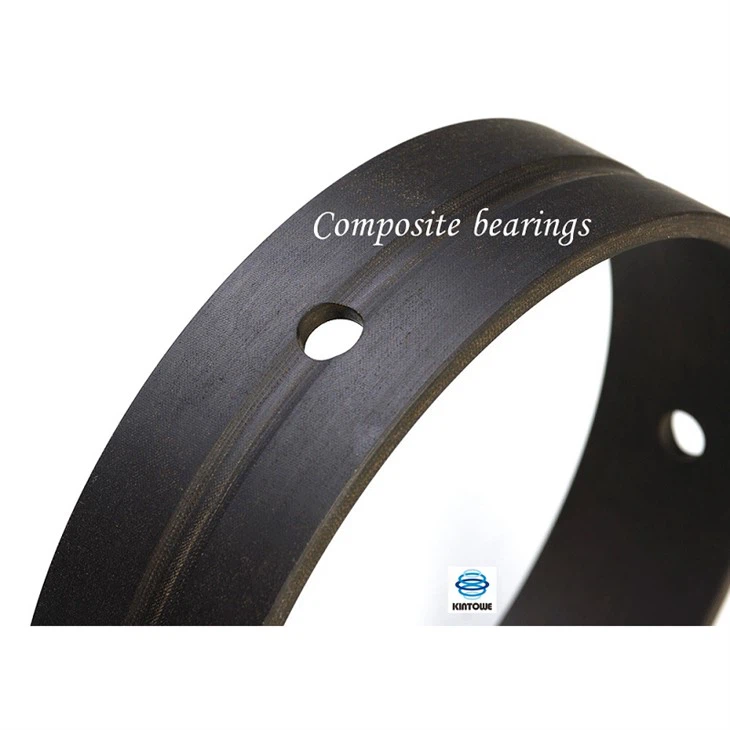
If you're in the market for high-quality bearings and washers, we've got you covered. We offer a wide range of products, including Composite Rudder Bearings, Rudder Pintle Bushes, and Composite Bearings. Our team of experts can also provide you with valuable advice and support on clearance adjustment and other bearing-related issues.
Don't hesitate to reach out to us if you have any questions or if you're interested in discussing your procurement needs. We're here to help you find the right solutions for your machinery.
References
- Manufacturer's product manuals and specifications
- Industry standards and guidelines for bearing installation and maintenance