

Hey there! As a supplier of PTFE bearing strips, I often get asked if these nifty little things can be used in vacuum environments. So, I thought I'd sit down and write this blog to clear up all the doubts.
First off, let's talk a bit about what PTFE bearing strips are. PTFE, or polytetrafluoroethylene, is a synthetic fluoropolymer with some amazing properties. It's got a low coefficient of friction, which means things can slide over it really easily. It's also highly resistant to heat, chemicals, and abrasion. These features make PTFE bearing strips super useful in a whole bunch of applications, from industrial machinery to automotive parts.
Now, the big question: can they work in vacuum environments? The short answer is yes, but there are some things we need to dig into.
In a vacuum, the main consideration is outgassing. Outgassing is when a material releases gases or vapors into the environment. In a normal atmosphere, this might not be a big deal, but in a vacuum, any gas released can mess up the purity of the environment and cause problems for other components in the system.
PTFE is known for being a relatively low - outgassing material. It doesn't release a lot of gases when exposed to vacuum conditions. This is one of the reasons why it can be a great choice for vacuum applications. For example, in space applications (which are essentially extreme vacuum environments), PTFE - based materials are used because they won't contaminate the sensitive instruments with outgassed substances.
Another aspect to think about is the mechanical performance of PTFE bearing strips in a vacuum. The low coefficient of friction that makes PTFE so great in normal conditions also holds up in a vacuum. This means that the bearing strips can still provide smooth operation, reducing wear and tear on the parts they're in contact with. Whether it's in a vacuum chamber for semiconductor manufacturing or in a scientific research setup, the lubrication properties of PTFE can help keep things running smoothly.
However, it's not all sunshine and rainbows. There are some factors that can affect the performance of PTFE bearing strips in a vacuum. Temperature can be a major issue. In a vacuum, heat transfer happens mainly through radiation, and PTFE has a relatively low thermal conductivity. So, if there's a lot of friction and heat generated during operation, the bearing strips might not be able to dissipate the heat effectively. This can lead to overheating and degradation of the material over time.
Also, the vacuum environment can cause some mechanical stresses on the PTFE. Without the support of air pressure, the material might be more prone to deformation, especially if it's under heavy loads. So, it's important to design the system carefully and choose the right type of PTFE bearing strip for the specific requirements of the vacuum application.
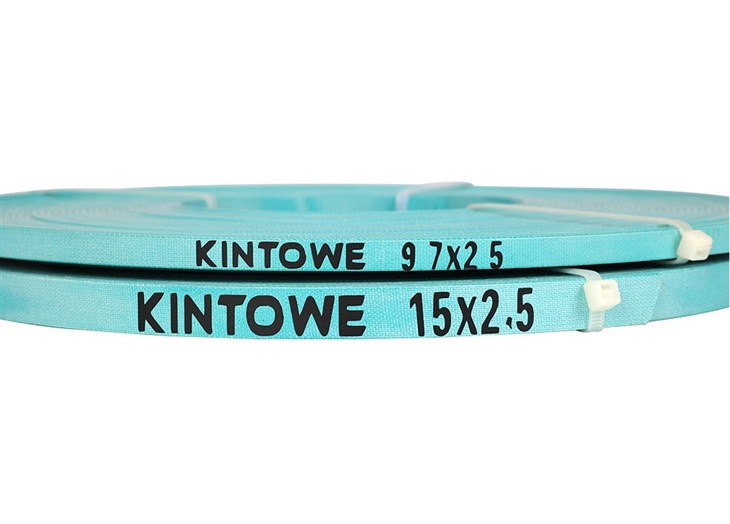

We offer different types of PTFE bearing strips that can be suitable for vacuum environments. For instance, our Polyester Resin Guide Strips have additional properties that can enhance their performance in various conditions, including vacuum. They're made to be more robust and can handle different levels of stress.
Then there are our 40% Bronze PTFE Guide Tapes. The addition of 40% bronze gives them better thermal conductivity compared to pure PTFE. This means they can handle heat better in a vacuum, reducing the risk of overheating.
Our 60% Bronze Filled PTFE Guide Tapes take it a step further. With a higher percentage of bronze, they have even better thermal and mechanical properties. They're great for applications where there are high loads and a need for efficient heat dissipation in a vacuum.
In conclusion, PTFE bearing strips can definitely be used in vacuum environments, but it's crucial to understand the specific requirements of your application. You need to consider factors like outgassing, temperature, and mechanical stress. We're here as your PTFE bearing strip supplier to help you make the right choice. If you're working on a project that involves a vacuum environment and need PTFE bearing strips, don't hesitate to get in touch. We can discuss your needs in detail and provide you with the best solution for your application.
References
- "Handbook of PTFE and Fluoropolymer Applications" by David A. T. Young
- "Vacuum Technology: Principles and Applications" by O. A. Saad