

As a seasoned supplier of semi-finished products, I've witnessed firsthand the diverse array of materials that are commonly employed in the manufacturing of these essential industrial components. Semi-finished products serve as the building blocks for countless finished goods, and the choice of material can significantly impact the performance, durability, and cost of the final product. In this blog post, I'll delve into some of the most frequently used materials in the production of semi-finished products, shedding light on their unique properties and applications.
Metals
Metals are perhaps the most widely used materials in the production of semi-finished products, thanks to their strength, durability, and versatility. Some of the most common metals used include steel, aluminum, and copper.
Steel
Steel is an alloy of iron and carbon, often with other elements such as manganese, chromium, and nickel added to enhance its properties. It is known for its high strength, hardness, and resistance to corrosion. Steel semi-finished products, such as bars, rods, and sheets, are used in a wide range of industries, including construction, automotive, and manufacturing. For example, steel bars are commonly used in the construction of buildings and bridges, while steel sheets are used in the manufacturing of automotive bodies and appliances.
Aluminum
Aluminum is a lightweight metal with excellent corrosion resistance and thermal conductivity. It is also highly malleable and ductile, making it easy to form into various shapes. Aluminum semi-finished products, such as extrusions, sheets, and foils, are used in industries such as aerospace, automotive, and packaging. For instance, aluminum extrusions are used in the construction of aircraft frames and automotive parts, while aluminum foils are used in food packaging.
Copper
Copper is a highly conductive metal with excellent thermal and electrical properties. It is also resistant to corrosion and has a long lifespan. Copper semi-finished products, such as wires, pipes, and sheets, are used in industries such as electrical, plumbing, and construction. For example, copper wires are used in electrical wiring, while copper pipes are used in plumbing systems.
Plastics
Plastics are another popular choice for the production of semi-finished products, due to their low cost, lightweight, and ease of processing. Some of the most commonly used plastics include polyethylene, polypropylene, and polyvinyl chloride (PVC).

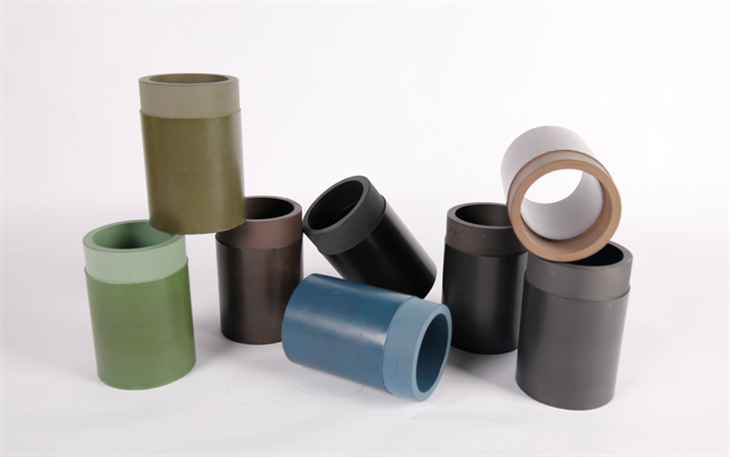
Polyethylene
Polyethylene is a thermoplastic polymer that is widely used in the production of semi-finished products. It is known for its high chemical resistance, low moisture absorption, and excellent electrical insulation properties. Polyethylene semi-finished products, such as sheets, films, and pipes, are used in industries such as packaging, agriculture, and construction. For example, polyethylene sheets are used in the manufacture of plastic bags and packaging materials, while polyethylene pipes are used in water supply and drainage systems.
Polypropylene
Polypropylene is a thermoplastic polymer that is similar to polyethylene but has higher stiffness and heat resistance. It is also lightweight and has good chemical resistance. Polypropylene semi-finished products, such as fibers, sheets, and injection-molded parts, are used in industries such as textiles, automotive, and consumer goods. For instance, polypropylene fibers are used in the production of carpets and upholstery, while polypropylene injection-molded parts are used in automotive interiors and household appliances.
Polyvinyl Chloride (PVC)
PVC is a thermoplastic polymer that is known for its excellent chemical resistance, flame retardancy, and low cost. It is also easy to process and can be made into a variety of shapes and sizes. PVC semi-finished products, such as pipes, profiles, and sheets, are used in industries such as construction, plumbing, and electrical. For example, PVC pipes are used in water supply and drainage systems, while PVC profiles are used in window frames and door frames.
Composites
Composites are materials that are made by combining two or more different materials to create a new material with enhanced properties. Some of the most commonly used composites in the production of semi-finished products include carbon fiber composites, fiberglass composites, and wood-plastic composites.
Carbon Fiber Composites
Carbon fiber composites are made by combining carbon fibers with a polymer matrix, such as epoxy resin. They are known for their high strength, stiffness, and lightweight. Carbon fiber composites are used in industries such as aerospace, automotive, and sports equipment. For example, carbon fiber composites are used in the construction of aircraft wings and automotive body panels, as well as in the manufacture of high-performance bicycles and tennis rackets. You can explore our Carbon Fiber Filled PTFE Tubes for more information on carbon fiber-based semi-finished products.
Fiberglass Composites
Fiberglass composites are made by combining glass fibers with a polymer matrix, such as polyester resin. They are known for their high strength, corrosion resistance, and low cost. Fiberglass composites are used in industries such as construction, marine, and automotive. For example, fiberglass composites are used in the construction of boats and yachts, as well as in the manufacture of automotive parts and building insulation.
Wood-Plastic Composites
Wood-plastic composites are made by combining wood fibers or flour with a plastic matrix, such as polyethylene or polypropylene. They are known for their natural appearance, durability, and low maintenance. Wood-plastic composites are used in industries such as construction, decking, and fencing. For example, wood-plastic composites are used in the construction of outdoor decks and fences, as well as in the manufacture of interior trim and furniture.
Ceramics
Ceramics are inorganic, non-metallic materials that are known for their high hardness, heat resistance, and chemical stability. Some of the most commonly used ceramics in the production of semi-finished products include alumina, zirconia, and silicon carbide.
Alumina
Alumina is a ceramic material that is widely used in the production of semi-finished products. It is known for its high hardness, wear resistance, and electrical insulation properties. Alumina semi-finished products, such as tubes, rods, and plates, are used in industries such as electronics, automotive, and aerospace. For example, alumina tubes are used in the manufacture of electrical insulators, while alumina plates are used in the production of cutting tools and wear-resistant parts.
Zirconia
Zirconia is a ceramic material that is known for its high strength, toughness, and thermal stability. It is also biocompatible, making it suitable for use in medical applications. Zirconia semi-finished products, such as dental implants and prosthetics, are used in the medical industry.
Silicon Carbide
Silicon carbide is a ceramic material that is known for its high hardness, thermal conductivity, and chemical resistance. It is used in industries such as electronics, automotive, and aerospace. For example, silicon carbide is used in the manufacture of high-power electronic devices, as well as in the production of cutting tools and abrasives.
Natural Materials
In addition to the synthetic materials mentioned above, natural materials are also used in the production of semi-finished products. Some of the most commonly used natural materials include wood, rubber, and leather.
Wood
Wood is a renewable natural material that is known for its natural beauty, strength, and durability. It is used in industries such as construction, furniture, and flooring. Wood semi-finished products, such as lumber, plywood, and veneer, are used in the manufacture of a wide range of products. For example, lumber is used in the construction of buildings and furniture, while plywood is used in the manufacture of cabinets and doors.
Rubber
Rubber is a natural material that is known for its elasticity, flexibility, and resistance to abrasion. It is used in industries such as automotive, aerospace, and manufacturing. Rubber semi-finished products, such as sheets, tubes, and hoses, are used in the manufacture of a variety of products. For example, rubber sheets are used in the production of gaskets and seals, while rubber tubes are used in the manufacture of automotive hoses.
Leather
Leather is a natural material that is known for its durability, comfort, and aesthetic appeal. It is used in industries such as fashion, footwear, and furniture. Leather semi-finished products, such as hides and skins, are used in the manufacture of a wide range of products. For example, leather hides are used in the production of shoes and handbags, while leather skins are used in the manufacture of furniture and upholstery.
Conclusion
In conclusion, the choice of material for the production of semi-finished products depends on a variety of factors, including the intended application, performance requirements, and cost. Metals, plastics, composites, ceramics, and natural materials are all commonly used in the manufacturing of semi-finished products, each with its own unique properties and advantages. As a supplier of semi-finished products, I understand the importance of providing high-quality materials that meet the specific needs of my customers. Whether you're looking for Carbon Fiber Filled PTFE Tubes, Polyurethane Casting Billets, or Marine Composite Tubes, I'm here to help. If you're interested in learning more about our products or would like to discuss your specific requirements, please don't hesitate to contact me. I look forward to working with you to find the perfect semi-finished products for your needs.
References
- Ashby, M. F. (2005). Materials Selection in Mechanical Design. Butterworth-Heinemann.
- Callister, W. D., & Rethwisch, D. G. (2011). Materials Science and Engineering: An Introduction. Wiley.
- Schowalter, W. R. (1978). Mechanics of Non-Newtonian Fluids. Pergamon Press.