

PTFE guide strips are a crucial component in various industrial applications, known for their excellent self - lubricating properties, low friction coefficient, and chemical resistance. As a PTFE guide strips supplier, I often receive inquiries from customers about the maximum load these guide strips can bear. Understanding this parameter is essential for ensuring the proper functioning and long - term performance of machinery and equipment that rely on these guide strips.
Factors Affecting the Load - Bearing Capacity of PTFE Guide Strips
Material Composition
The basic PTFE material has certain load - bearing characteristics. PTFE itself is a very chemically stable polymer with good mechanical properties. However, different filler materials can be added to PTFE to enhance its load - bearing capacity. For example, Bronze - filled PTFE Guide Strips are extremely popular in high - load applications. The bronze particles dispersed in the PTFE matrix improve the wear resistance and load - bearing ability of the guide strips. The bronze filler provides additional strength and heat dissipation, enabling the guide strips to withstand higher loads without excessive deformation or wear.
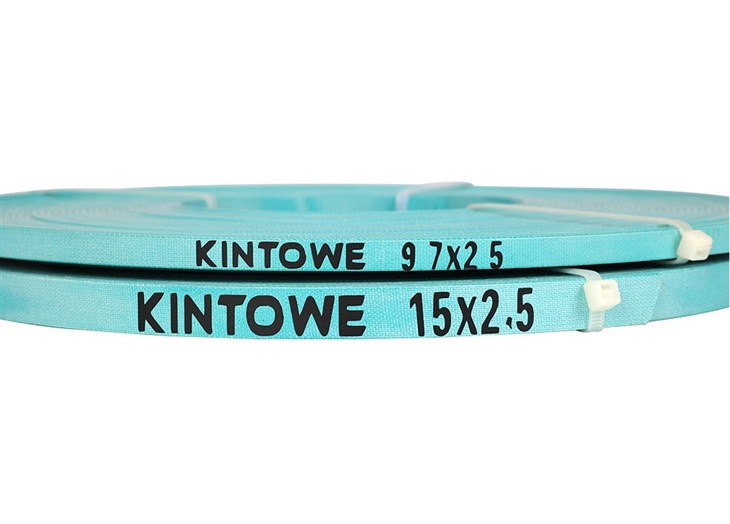

On the other hand, PTFE Wear Strips for Pistons may have specific formulations tailored to the requirements of piston applications. These wear strips are often designed to handle both axial and radial loads while maintaining low friction. The load - bearing capacity of these strips can be optimized through the selection of appropriate additives and the manufacturing process.
Surface Finish
The surface finish of PTFE guide strips also plays a significant role in determining their load - bearing capacity. A smooth surface finish reduces friction and wear, allowing the guide strips to distribute the load more evenly. When the surface is rough, stress concentrations can occur, which may lead to premature failure of the guide strips under load. During the manufacturing process, precise machining and finishing techniques are employed to achieve the desired surface quality. For instance, processes like grinding and polishing can be used to create a uniform and smooth surface, enhancing the load - bearing performance of the guide strips.
Operating Conditions
The operating environment has a profound impact on the maximum load that PTFE guide strips can bear. Temperature is a critical factor. High temperatures can cause the PTFE material to soften, reducing its load - bearing capacity. In contrast, extremely low temperatures may make the material more brittle, increasing the risk of cracking under load. Additionally, the presence of chemicals, moisture, and dust in the operating environment can also affect the performance of the guide strips. For example, exposure to certain chemicals may cause swelling or degradation of the PTFE material, which in turn reduces its ability to withstand loads.
The speed of operation is another important consideration. At high speeds, the frictional heat generated between the guide strips and the mating surface can be significant. This heat can further reduce the load - bearing capacity of the guide strips. Therefore, when designing systems with PTFE guide strips, it is necessary to balance the load, speed, and temperature to ensure optimal performance.
Measuring the Load - Bearing Capacity
Static Load Testing
Static load testing is a common method used to determine the maximum load that PTFE guide strips can bear under stationary conditions. In this test, a gradually increasing load is applied to the guide strip until it reaches the point of failure. The failure can be defined as excessive deformation, cracking, or loss of the guide strip's functionality. The maximum load at which the guide strip fails is recorded as its static load - bearing capacity.
However, it should be noted that static load testing provides only a baseline value. In real - world applications, the guide strips are often subjected to dynamic loads, which are more complex and difficult to predict.
Dynamic Load Testing
Dynamic load testing simulates the actual operating conditions of the guide strips more accurately. In this test, the guide strips are subjected to cyclic loads, which can include both axial and radial forces. The frequency and amplitude of the loads are adjusted to mimic the real - world operating conditions. By monitoring the performance of the guide strips over a certain number of cycles, the dynamic load - bearing capacity can be determined. This type of testing takes into account the effects of fatigue, wear, and heat generation, providing a more realistic assessment of the guide strips' load - bearing ability.
Typical Load - Bearing Ranges
The load - bearing capacity of PTFE guide strips can vary widely depending on the factors mentioned above. In general, for standard PTFE guide strips without fillers, the static load - bearing capacity can range from a few hundred pounds per square inch (psi) to several thousand psi. For example, in light - duty applications such as small - scale machinery or precision instruments, the guide strips may be able to withstand static loads of around 500 - 1000 psi.
In high - performance applications, such as heavy - duty hydraulic cylinders or large - scale industrial machinery, Bronze - filled PTFE Guide Strips can have significantly higher load - bearing capacities. These guide strips can often withstand static loads of 5000 psi or more, making them suitable for applications where high loads and harsh operating conditions are present.
Comparison with Other Guide Strip Materials
When considering the load - bearing capacity of PTFE guide strips, it is useful to compare them with other guide strip materials. Polyester Resin Guide Strips are another popular choice in the industry. Polyester resin guide strips generally have good mechanical strength and can withstand relatively high loads. However, they may not have the same level of self - lubricating properties as PTFE guide strips.
In terms of load - bearing capacity, polyester resin guide strips can be comparable to PTFE guide strips in some applications. However, in applications where low friction and chemical resistance are also important, PTFE guide strips are often the preferred choice. The ability of PTFE to reduce friction and wear while maintaining its load - bearing capacity makes it a versatile material for a wide range of industrial applications.
Conclusion
As a PTFE guide strips supplier, I understand the importance of providing customers with accurate information about the load - bearing capacity of our products. The maximum load that PTFE guide strips can bear is influenced by multiple factors, including material composition, surface finish, and operating conditions. By carefully considering these factors and conducting appropriate testing, we can ensure that our guide strips meet the specific requirements of each application.
If you are in need of high - quality PTFE guide strips for your industrial applications and want to discuss the load - bearing requirements in detail, please feel free to contact us. Our team of experts is ready to assist you in selecting the most suitable guide strips for your needs and providing you with professional advice on installation and maintenance.
References
- "Handbook of Polytetrafluoroethylene (PTFE) and Related Fluoropolymers"
- "Engineering Tribology"
- Technical reports on PTFE guide strip testing from relevant research institutions.