

In the dynamic landscape of industrial manufacturing, piston and rod seals play a pivotal role in ensuring the efficient and reliable operation of hydraulic and pneumatic systems. As a leading supplier of piston and rod seals, we are constantly at the forefront of technological advancements in this field. This blog will explore the latest technologies in piston and rod seal manufacturing, highlighting how these innovations are shaping the industry and providing enhanced solutions for our customers.
Advanced Materials
One of the most significant trends in piston and rod seal manufacturing is the development and use of advanced materials. Traditional seal materials, such as rubber and polyurethane, have served the industry well for many years. However, the increasing demands of modern applications, including higher pressures, temperatures, and speeds, have led to the exploration of new materials with superior properties.
Nanocomposite Polymers
Nanocomposite polymers are emerging as a game - changer in seal manufacturing. These materials are created by incorporating nanoparticles into a polymer matrix. The addition of nanoparticles, such as carbon nanotubes or clay platelets, can significantly enhance the mechanical, thermal, and chemical properties of the polymer. For example, carbon nanotubes can improve the strength and wear resistance of the seal, while clay platelets can enhance the barrier properties, reducing fluid leakage.
Fluoropolymers
Fluoropolymers, such as polytetrafluoroethylene (PTFE), are also widely used in high - performance piston and rod seals. PTFE has excellent chemical resistance, low friction coefficient, and high temperature stability. Newer generations of fluoropolymers have been developed with improved mechanical properties, making them suitable for a wider range of applications. For instance, modified PTFE materials can withstand higher pressures and have better sealing performance in dynamic applications.
Innovative Design Concepts
In addition to advanced materials, innovative design concepts are driving the evolution of piston and rod seals. These designs aim to improve sealing performance, reduce friction, and increase the lifespan of the seals.
Asymmetric Seal Designs
Asymmetric seal designs have gained popularity in recent years. Unlike traditional symmetric seals, asymmetric seals are designed to optimize the sealing performance under specific operating conditions. For example, in a hydraulic cylinder, an asymmetric rod seal can be designed to provide better sealing on the high - pressure side while reducing friction on the low - pressure side. This not only improves the overall efficiency of the system but also extends the service life of the seal.
Multi - lip Seal Designs
Multi - lip seal designs are another innovative approach. These seals feature multiple sealing lips that work together to provide enhanced sealing performance. The additional lips can help to prevent fluid leakage, even in the presence of contaminants or surface irregularities. Moreover, multi - lip seals can also provide better pressure distribution, reducing the stress on individual lips and increasing the overall durability of the seal.
Precision Manufacturing Techniques
The manufacturing process of piston and rod seals has also undergone significant improvements. Precision manufacturing techniques are essential for ensuring the high quality and performance of the seals.
Computer - Aided Design (CAD) and Computer - Aided Manufacturing (CAM)
CAD and CAM technologies have revolutionized the design and manufacturing of piston and rod seals. With CAD, engineers can create detailed 3D models of the seals, allowing for accurate analysis of the stress distribution, fluid flow, and sealing performance. CAM systems then use these models to control the manufacturing process, ensuring precise machining and molding of the seals. This results in seals with consistent quality and dimensional accuracy.
Micro - machining
Micro - machining techniques are increasingly being used in seal manufacturing. These techniques enable the production of seals with extremely fine features and tight tolerances. For example, micro - machining can be used to create intricate grooves and patterns on the seal surface, which can improve the lubrication and sealing performance. Additionally, micro - machining can also be used to manufacture seals for miniaturized hydraulic and pneumatic systems.
Smart Seal Technologies
The era of Industry 4.0 has also brought about the development of smart seal technologies. These seals are equipped with sensors and monitoring devices that can provide real - time information about the seal's performance and the operating conditions of the system.
Sensor - integrated Seals
Sensor - integrated seals are designed to monitor parameters such as temperature, pressure, and wear. For example, a temperature sensor embedded in a piston seal can detect overheating, which may indicate a problem with the system, such as excessive friction or fluid leakage. Pressure sensors can also be used to monitor the pressure distribution across the seal, ensuring that it is operating within the design limits.
Condition - monitoring Systems
Condition - monitoring systems for piston and rod seals can collect and analyze data from the sensors, providing valuable insights into the health of the seal. This data can be used to predict maintenance requirements, schedule preventive maintenance, and avoid unexpected failures. By implementing condition - monitoring systems, our customers can improve the reliability and efficiency of their hydraulic and pneumatic systems.

Our Product Offerings
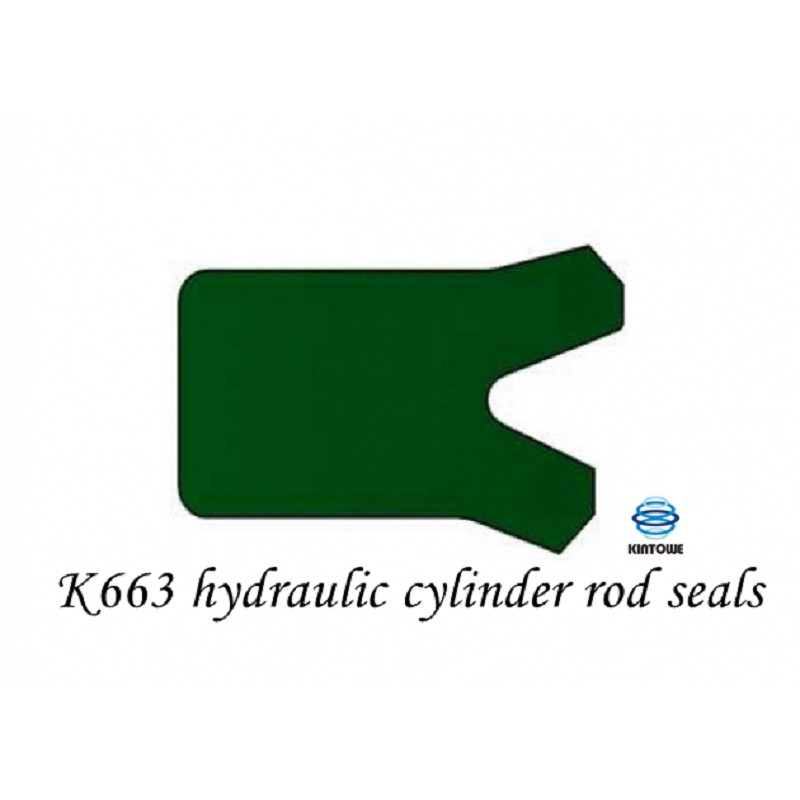
As a leading supplier of piston and rod seals, we are committed to leveraging these latest technologies to provide our customers with the best - in - class products. Our product portfolio includes a wide range of piston and rod seals, such as Hydraulic Rod Buffer Seals, Rod Step Seals, and Hydraulic Cylinder Rod Seals.
Our seals are manufactured using the latest advanced materials, innovative design concepts, precision manufacturing techniques, and smart seal technologies. We work closely with our customers to understand their specific requirements and provide customized solutions that meet their needs. Whether it's a high - pressure hydraulic system, a high - speed pneumatic application, or a harsh chemical environment, we have the expertise and the products to ensure optimal performance.
Contact Us for Procurement
If you are in the market for high - quality piston and rod seals, we invite you to contact us for procurement discussions. Our team of experts is ready to assist you in selecting the right seals for your applications, providing technical support, and ensuring a seamless procurement process. We are dedicated to building long - term partnerships with our customers and delivering products and services that exceed their expectations.
References
- Smith, J. (2022). Advances in Seal Materials for Hydraulic and Pneumatic Systems. Journal of Industrial Materials, 45(2), 123 - 135.
- Johnson, R. (2023). Innovative Design Concepts for Piston and Rod Seals. Proceedings of the International Conference on Fluid Sealing, 56 - 67.
- Brown, A. (2021). Precision Manufacturing Techniques in Seal Production. Manufacturing Technology Review, 32(3), 78 - 89.
- Green, M. (2023). Smart Seal Technologies: The Future of Industrial Sealing. Industry 4.0 Journal, 12(1), 45 - 58.