

In the highly competitive manufacturing landscape, optimizing the production process of semi - finished products is crucial for maintaining a competitive edge and ensuring long - term success. As a semi - finished products supplier, I have witnessed firsthand the challenges and opportunities that come with streamlining production. In this blog, I will share some strategies and insights on how to optimize the production process of semi - finished products.
Understanding the Current Production Process
Before making any changes, it is essential to have a clear understanding of the existing production process. This involves mapping out every step, from raw material acquisition to the final semi - finished product. Identify the bottlenecks, inefficiencies, and areas where quality may be compromised. For example, are there long waiting times between different production stages? Are there too many manual processes that could be automated?
Conducting a value - stream mapping exercise can be extremely helpful. This tool allows you to visualize the flow of materials and information throughout the production process, highlighting non - value - added activities. By eliminating these non - value - added steps, you can significantly improve the overall efficiency of the production process.
Quality Control at Every Stage
Quality control is not just a final step; it should be integrated into every stage of the production process. For semi - finished products, maintaining consistent quality is vital as these products will be used as inputs in other manufacturing processes. Implement strict quality control measures at each production step, from raw material inspection to in - process checks and final product testing.
For instance, when sourcing raw materials, ensure that they meet the required specifications. Set up a system for inspecting incoming materials to catch any defects early. During the production process, conduct regular quality checks to identify and correct any issues before they escalate. This can help prevent costly rework and customer complaints.
Lean Manufacturing Principles
Lean manufacturing is a systematic approach to eliminating waste and improving efficiency. It focuses on creating more value with less resources. There are several lean manufacturing principles that can be applied to the production of semi - finished products.
One of the key principles is just - in - time (JIT) production. This means producing semi - finished products only when they are needed, reducing inventory costs and the risk of overproduction. By synchronizing production with customer demand, you can minimize the amount of work - in - progress inventory and improve cash flow.

Another important principle is continuous improvement. Encourage your employees to identify areas for improvement and implement small, incremental changes on a regular basis. This can lead to significant long - term improvements in the production process. For example, employees on the production line may notice a more efficient way to operate a machine or a better way to organize workstations.
Automation and Technology Adoption
In today's digital age, automation and technology can play a significant role in optimizing the production process of semi - finished products. Consider investing in automated machinery and equipment to increase productivity and reduce human error. For example, robotic arms can be used for tasks such as material handling, assembly, and quality inspection.
Advanced software systems can also be used to manage the production process more effectively. Enterprise resource planning (ERP) systems can help you track inventory, manage orders, and schedule production. Manufacturing execution systems (MES) can provide real - time visibility into the production process, allowing you to make informed decisions and quickly respond to any issues.
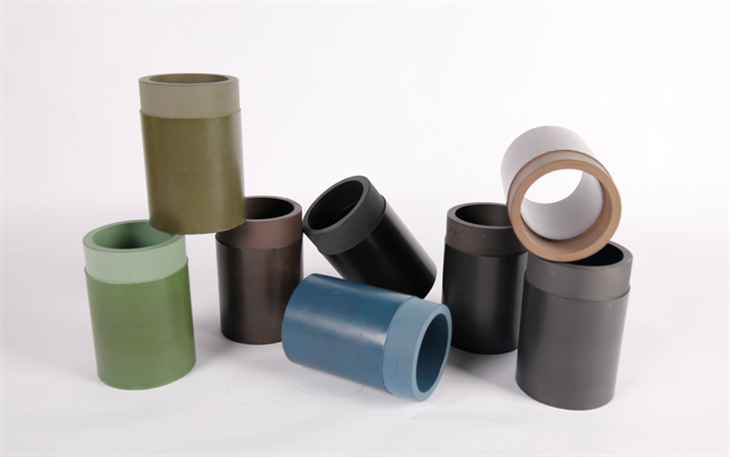
For example, if you are producing Carbon Fiber Filled PTFE Tubes, automation can ensure consistent quality and precise dimensions. Automated extrusion machines can control the temperature, pressure, and speed of the extrusion process, resulting in high - quality tubes.
Supply Chain Optimization
As a semi - finished products supplier, your supply chain plays a critical role in the production process. Optimize your supply chain by building strong relationships with your suppliers. Work closely with them to ensure a reliable supply of high - quality raw materials at a reasonable cost.
Negotiate long - term contracts with your suppliers to secure favorable pricing and delivery terms. This can help reduce the risk of supply disruptions and price fluctuations. Additionally, consider sourcing raw materials from multiple suppliers to diversify your supply base and minimize the impact of any potential supplier issues.
On the customer side, collaborate closely with your customers to understand their needs and requirements. This can help you better plan your production and ensure that you are delivering the right products at the right time. For example, if you are supplying Phenolic Cotton Tubes to a customer, work with them to understand their usage patterns and production schedules.
Employee Training and Development
Your employees are your most valuable asset. Invest in their training and development to ensure that they have the skills and knowledge necessary to optimize the production process. Provide regular training on new technologies, quality control methods, and lean manufacturing principles.
Encourage cross - training among employees so that they can perform multiple tasks. This can increase flexibility in the production process and help you better respond to changes in demand. For example, an employee who is trained in both machine operation and quality inspection can be more effective in ensuring the smooth running of the production line.
Product Design for Manufacturability
The design of semi - finished products can have a significant impact on the production process. When designing new products or modifying existing ones, consider the manufacturability of the product. Simplify the design to reduce the number of production steps and the complexity of the manufacturing process.
For example, if you are developing Marine Composite Tubes, design the tubes in a way that allows for easy and efficient production. Use standard components and manufacturing techniques whenever possible to reduce costs and improve quality.
Performance Measurement and Monitoring
To ensure that your production process optimization efforts are effective, it is important to establish key performance indicators (KPIs) and regularly monitor them. Some common KPIs for semi - finished products production include production output, quality rate, inventory turnover, and lead time.
Analyze the data collected from these KPIs to identify trends and areas for improvement. For example, if you notice a decline in the quality rate, investigate the root cause and take corrective actions. Regularly review and update your KPIs to ensure that they are aligned with your business goals.
Conclusion
Optimizing the production process of semi - finished products is a continuous journey that requires a comprehensive approach. By understanding the current process, implementing quality control measures, adopting lean manufacturing principles, leveraging automation and technology, optimizing the supply chain, investing in employee training, designing for manufacturability, and monitoring performance, you can significantly improve the efficiency and quality of your production process.
If you are interested in learning more about our semi - finished products or discussing potential procurement opportunities, please feel free to reach out. We are committed to providing high - quality semi - finished products and working with our customers to meet their specific needs.
References
- Womack, J. P., & Jones, D. T. (1996). Lean Thinking: Banish Waste and Create Wealth in Your Corporation. Simon & Schuster.
- Schonberger, R. J. (1986). Japanese Manufacturing Techniques: Nine Hidden Lessons in Simplicity. Free Press.
- Nahmias, S. (2009). Production and Operations Analysis. McGraw - Hill.