

As a trusted supplier of Piston and Rod Seals, I understand the critical role these components play in various industrial applications. The sealing performance of piston and rod seals directly impacts the efficiency, reliability, and lifespan of hydraulic systems. In this blog, I will share some practical strategies and insights on how to improve the sealing performance of piston and rod seals.
Understanding the Basics of Piston and Rod Seals
Before delving into the methods of improving sealing performance, it's essential to have a clear understanding of piston and rod seals. Piston seals are used to prevent fluid leakage between the piston and the cylinder bore, while rod seals are designed to prevent fluid leakage around the rod as it extends and retracts from the cylinder. These seals are typically made from materials such as rubber, polyurethane, or PTFE, each with its own unique properties and applications.
Selecting the Right Seal Material
One of the most crucial factors in improving the sealing performance of piston and rod seals is selecting the right seal material. The choice of material depends on several factors, including the operating conditions, fluid compatibility, temperature range, and pressure requirements. For example, rubber seals are known for their excellent flexibility and low-cost, making them suitable for low-pressure applications. Polyurethane seals, on the other hand, offer high abrasion resistance and excellent mechanical properties, making them ideal for high-pressure and high-speed applications. PTFE seals are often used in applications where chemical resistance and low friction are required.
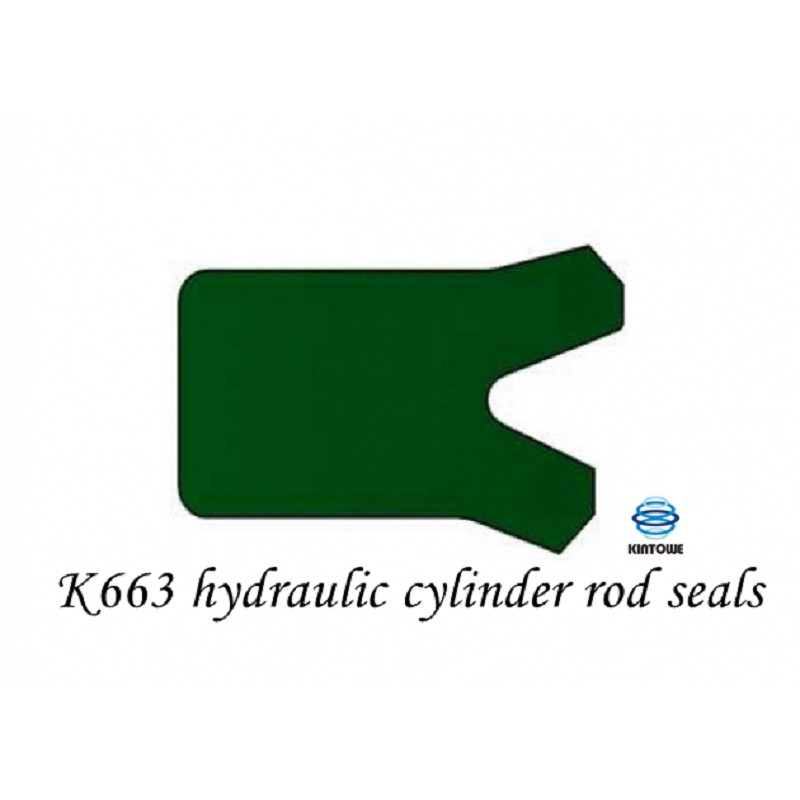

When selecting a seal material, it's important to consider the specific requirements of your application. Consult with a seal expert or refer to the manufacturer's specifications to ensure that the selected material is compatible with the operating conditions and fluid. Additionally, consider the long-term performance and durability of the seal material to minimize the need for frequent replacements.
Proper Installation and Maintenance
Proper installation and maintenance are essential for ensuring the optimal sealing performance of piston and rod seals. During installation, it's important to follow the manufacturer's instructions carefully to ensure that the seals are installed correctly. This includes cleaning the sealing surfaces, applying the appropriate lubricant, and using the correct installation tools. Improper installation can cause damage to the seals, leading to premature failure and leakage.
Regular maintenance is also crucial for maintaining the sealing performance of piston and rod seals. This includes inspecting the seals for signs of wear, damage, or leakage, and replacing them as needed. Additionally, ensure that the hydraulic system is properly maintained, including regular fluid changes and filter replacements, to prevent contamination and damage to the seals.
Optimizing Seal Design
The design of the piston and rod seals can also have a significant impact on their sealing performance. There are several design factors to consider, including the seal geometry, lip design, and sealing surface finish. For example, a well-designed seal geometry can help to distribute the sealing pressure evenly, reducing the risk of leakage. A properly designed lip can provide a tight seal against the rod or piston, preventing fluid from escaping.
In addition to the seal design, the sealing surface finish is also important. A smooth and clean sealing surface can help to improve the sealing performance of the seals by reducing friction and wear. Ensure that the sealing surfaces are properly machined and finished to the manufacturer's specifications.
Controlling Operating Conditions
The operating conditions of the hydraulic system can also affect the sealing performance of piston and rod seals. Factors such as temperature, pressure, and fluid contamination can all have a significant impact on the lifespan and performance of the seals. To improve the sealing performance, it's important to control these operating conditions as much as possible.
For example, ensure that the hydraulic system operates within the recommended temperature and pressure range. High temperatures can cause the seal material to degrade, while high pressures can cause the seals to deform or extrude. Additionally, prevent fluid contamination by using high-quality filters and regularly changing the hydraulic fluid. Contaminated fluid can cause abrasion and damage to the seals, leading to premature failure.
Utilizing Advanced Seal Technologies
Advancements in seal technology have led to the development of innovative solutions that can significantly improve the sealing performance of piston and rod seals. For example, some seals are designed with special coatings or additives that can enhance their performance in specific applications. These coatings can provide improved wear resistance, reduced friction, or enhanced chemical resistance.
Another advanced seal technology is the use of composite seals, which combine the properties of different materials to achieve optimal performance. Composite seals can offer the benefits of multiple materials, such as the flexibility of rubber and the abrasion resistance of polyurethane.
Conclusion
Improving the sealing performance of piston and rod seals is essential for ensuring the efficiency, reliability, and lifespan of hydraulic systems. By selecting the right seal material, proper installation and maintenance, optimizing seal design, controlling operating conditions, and utilizing advanced seal technologies, you can significantly enhance the sealing performance of your piston and rod seals.
As a supplier of Piston and Rod Seals, I am committed to providing high-quality seals that meet the specific requirements of your application. Our Hydraulic Cylinder Rod Seals and Hydraulic Rod Buffer Seals are designed to provide excellent sealing performance and long-term durability.
If you are interested in improving the sealing performance of your hydraulic systems or have any questions about our piston and rod seals, please feel free to contact us. Our team of experts is ready to assist you in selecting the right seals for your application and providing you with the support and guidance you need.
References
- Engineering Handbook of Seals and Sealing Technology
- Hydraulic Seals: Design, Selection, and Application
- Sealing Technology for Hydraulic and Pneumatic Systems