

PTFE dust rings are a staple in many industrial applications, known for their excellent chemical resistance, low friction, and self - lubricating properties. However, a common question that arises among engineers and procurement specialists is whether PTFE dust rings can be used in high - pressure applications. As a PTFE dust rings supplier, I'd like to delve into this topic and provide a comprehensive analysis.
Understanding PTFE Dust Rings
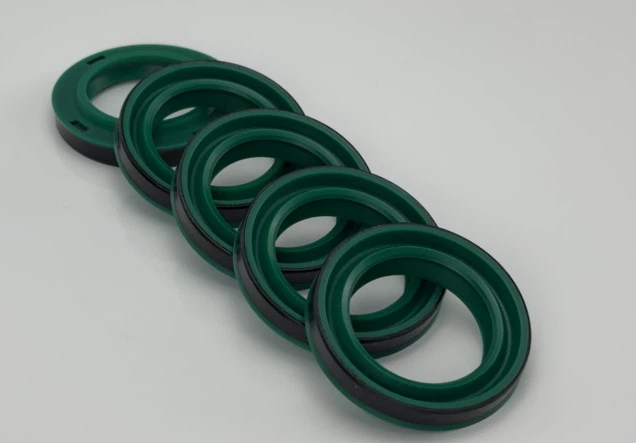
PTFE, or polytetrafluoroethylene, is a synthetic fluoropolymer of tetrafluoroethylene. It has a unique molecular structure that gives it remarkable properties. PTFE dust rings are designed to prevent contaminants such as dust, dirt, and moisture from entering a hydraulic or pneumatic system. They are typically installed in the outermost part of a cylinder or a rod, acting as a first line of defense against external particles.
The main advantages of PTFE dust rings include:
- Chemical Resistance: PTFE is highly resistant to a wide range of chemicals, making it suitable for use in harsh environments where exposure to corrosive substances is likely.
- Low Friction: The low coefficient of friction of PTFE reduces wear and tear on the rod, extending the service life of the system.
- Self - Lubrication: PTFE has self - lubricating properties, which means it can operate without the need for additional lubricants in many cases.
High - Pressure Applications: What Are They?
High - pressure applications are those where the system operates under significant pressure. In hydraulic systems, high pressure can range from several hundred to several thousand pounds per square inch (psi). For example, in heavy - duty construction equipment, hydraulic systems may operate at pressures up to 5000 psi or even higher.
In high - pressure applications, components must be able to withstand the force exerted by the pressure without failing. This includes maintaining their sealing performance, mechanical integrity, and resistance to deformation.
Can PTFE Dust Rings Withstand High Pressure?
The answer to whether PTFE dust rings can be used in high - pressure applications is not a simple yes or no. It depends on several factors:
1. Material Composition
The base PTFE material itself has good mechanical properties, but it may need to be modified for high - pressure use. Some manufacturers add fillers such as glass fibers, carbon fibers, or bronze powder to enhance the strength and stiffness of the PTFE. These filled PTFE compounds can better withstand the high - pressure forces without excessive deformation.
2. Design and Geometry
The design of the dust ring is crucial in high - pressure applications. A well - designed PTFE dust ring will have a proper cross - section and lip geometry that can maintain a tight seal under pressure. For example, a double - lipped design can provide better sealing performance compared to a single - lipped design. You can explore some of our advanced designs such as Double Lipped Metal Cased Wipers and Hydraulic Double Lipped Wipers.
3. Operating Conditions
The operating conditions, including temperature, speed, and the presence of contaminants, also play a role. High temperatures can reduce the mechanical properties of PTFE, making it more susceptible to deformation under pressure. Similarly, high - speed operation can increase the stress on the dust ring, and the presence of abrasive contaminants can cause wear and damage.
Advantages of Using PTFE Dust Rings in High - Pressure Applications
If the PTFE dust rings are properly designed and selected for high - pressure applications, they offer several advantages:
1. Sealing Performance
PTFE dust rings can provide excellent sealing performance even under high pressure. Their low friction and self - lubricating properties ensure a smooth and consistent seal, preventing the ingress of contaminants.
2. Reduced Maintenance
The long service life of PTFE dust rings due to their low wear characteristics means less frequent replacement. This reduces maintenance costs and downtime for the equipment.
3. Compatibility
PTFE is compatible with a wide range of fluids used in high - pressure hydraulic and pneumatic systems, including mineral oils, synthetic oils, and water - glycol mixtures.
Limitations and Challenges
However, there are also some limitations and challenges when using PTFE dust rings in high - pressure applications:
1. Deformation
Under extremely high pressure, PTFE dust rings may deform, which can lead to a loss of sealing performance. This is especially true if the design and material composition are not optimized for high - pressure use.

2. Cost
PTFE materials, especially those with added fillers for high - pressure applications, can be more expensive than other sealing materials. This may increase the initial cost of the system.
Case Studies
Let's look at some real - world examples to illustrate the use of PTFE dust rings in high - pressure applications:
Case Study 1: Hydraulic Press
A hydraulic press used in a metal - forming factory operates at a pressure of 3000 psi. The original dust rings made of a rubber material were failing frequently due to wear and damage from the high pressure and the abrasive metal particles in the environment. After replacing them with PTFE dust rings filled with carbon fibers, the system's performance improved significantly. The PTFE dust rings provided a better seal, reduced wear on the rod, and extended the maintenance intervals.
Case Study 2: Off - Shore Drilling Equipment
In off - shore drilling equipment, hydraulic systems operate under high pressure and in a harsh marine environment. PTFE dust rings with a special design and chemical - resistant coating were installed in the hydraulic cylinders. These dust rings effectively prevented the ingress of seawater and sand, ensuring the reliable operation of the equipment.
Choosing the Right PTFE Dust Rings for High - Pressure Applications
When selecting PTFE dust rings for high - pressure applications, the following steps should be taken:
1. Consult with Experts
As a PTFE dust rings supplier, we have a team of experts who can provide technical advice based on your specific application requirements. We can help you choose the right material, design, and size of the dust ring.
2. Consider the Operating Conditions
Take into account factors such as pressure, temperature, speed, and the type of fluid in the system. This will ensure that the selected dust ring can perform optimally under the given conditions.
3. Test and Validate
Before full - scale implementation, it is advisable to conduct tests on a small scale to validate the performance of the PTFE dust rings in your application. This can help identify any potential issues and make necessary adjustments.
Conclusion
In conclusion, PTFE dust rings can be used in high - pressure applications, but careful consideration must be given to material composition, design, and operating conditions. When properly selected and installed, PTFE dust rings can offer excellent sealing performance, reduced maintenance, and compatibility with a wide range of fluids.
If you are looking for PTFE dust rings for your high - pressure applications, we are here to help. Our team of experts can assist you in choosing the right product for your needs. Contact us to start a procurement discussion and find the best solution for your hydraulic or pneumatic system. We also offer a variety of other wiper seal products such as Hydraulic Scraper Seals to meet different requirements.
References
- "Handbook of Sealing Technology" by John H. Bickford
- "Hydraulic System Design and Analysis" by Frank M. Lewis
- Industry reports on PTFE materials and their applications in high - pressure systems.