

Hey there! As a supplier of PTFE guide strips, I often get asked all sorts of questions about these nifty little components. One question that pops up quite a bit is, "Are PTFE guide strips resistant to fungi?" Well, let's dive right into it and find out.
First off, let's talk a bit about what PTFE guide strips are. PTFE, or polytetrafluoroethylene, is a synthetic fluoropolymer of tetrafluoroethylene. It's known for its amazing properties like low friction, high chemical resistance, and excellent thermal stability. PTFE guide strips are used in a wide range of applications, from hydraulic cylinders to industrial machinery. They help guide moving parts smoothly and reduce wear and tear.
Now, onto the big question - fungal resistance. Fungi are everywhere. They thrive in moist, warm environments and can cause all sorts of problems, like degradation of materials and health issues. When it comes to PTFE guide strips, their chemical structure plays a huge role in their resistance to fungi.
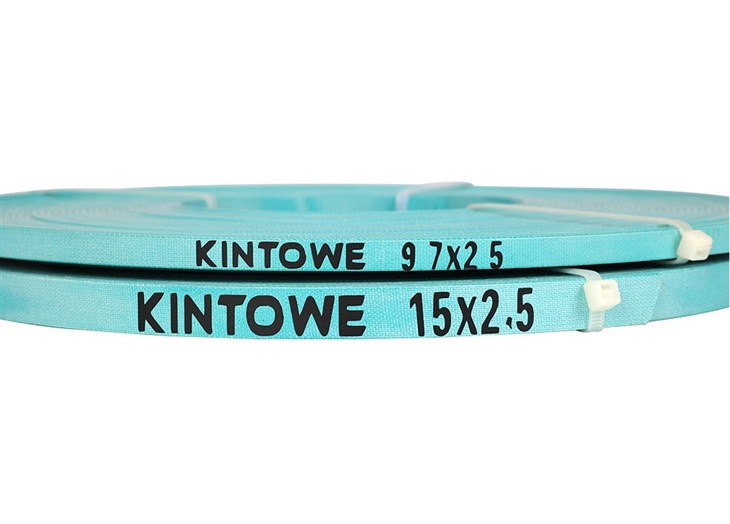

PTFE has a very strong carbon - fluorine bond. This bond is extremely stable and makes the material highly resistant to most chemicals, including the enzymes and acids that fungi produce to break down materials. In simple terms, fungi find it really hard to "attack" PTFE guide strips because they can't easily break through that strong bond.
Another factor is the surface properties of PTFE. PTFE has a very low surface energy, which means that it's non - wetting. Water and other liquids tend to bead up on its surface rather than spread out. This is important because fungi need moisture to grow. Since PTFE doesn't hold onto water well, it creates an environment that's not very friendly for fungal growth.
In real - world applications, this fungal resistance is a big plus. For example, in the food and beverage industry, where hygiene is of utmost importance, PTFE guide strips can be used in equipment that comes into contact with food. The fact that they're resistant to fungi helps prevent contamination and ensures that the equipment meets strict health and safety standards.
In the marine industry, where equipment is constantly exposed to a moist and salty environment, PTFE guide strips are also a great choice. The high humidity and presence of organic matter in the marine environment can be a breeding ground for fungi. But thanks to their fungal resistance, PTFE guide strips can maintain their performance and integrity over time.
However, it's important to note that while PTFE guide strips are highly resistant to fungi, they're not completely immune. In extremely harsh conditions, where there's a very high concentration of fungi and a long - term exposure to moisture, there might be some very minor surface changes. But these changes are usually so small that they don't affect the functionality of the guide strips.
Now, if you're in the market for guide strips, you might also be interested in some related products. We also offer Polyester Resin Guide Strips. These guide strips have their own set of advantages, like good mechanical strength and wear resistance. They're a great option for applications where PTFE might not be the best fit.
Another option is Bronze - filled PTFE Guide Bands. The addition of bronze to PTFE enhances its thermal conductivity and wear resistance even further. These guide bands are often used in high - load and high - speed applications.
And let's not forget about PTFE Bearing Strips. These strips are designed to provide smooth and low - friction movement in bearing applications. They share the same great properties of PTFE, including fungal resistance.
So, if you're looking for high - quality guide strips that can stand up to fungi and a variety of other challenges, we've got you covered. Whether it's for a small - scale project or a large - scale industrial application, our PTFE guide strips and related products are sure to meet your needs.
If you're interested in learning more about our products or want to start a procurement discussion, don't hesitate to reach out. We're always happy to help you find the right solution for your specific requirements.
References
- "Introduction to Fluoropolymers" by John Scheirs
- "Materials Science and Engineering: An Introduction" by William D. Callister, Jr. and David G. Rethwisch