

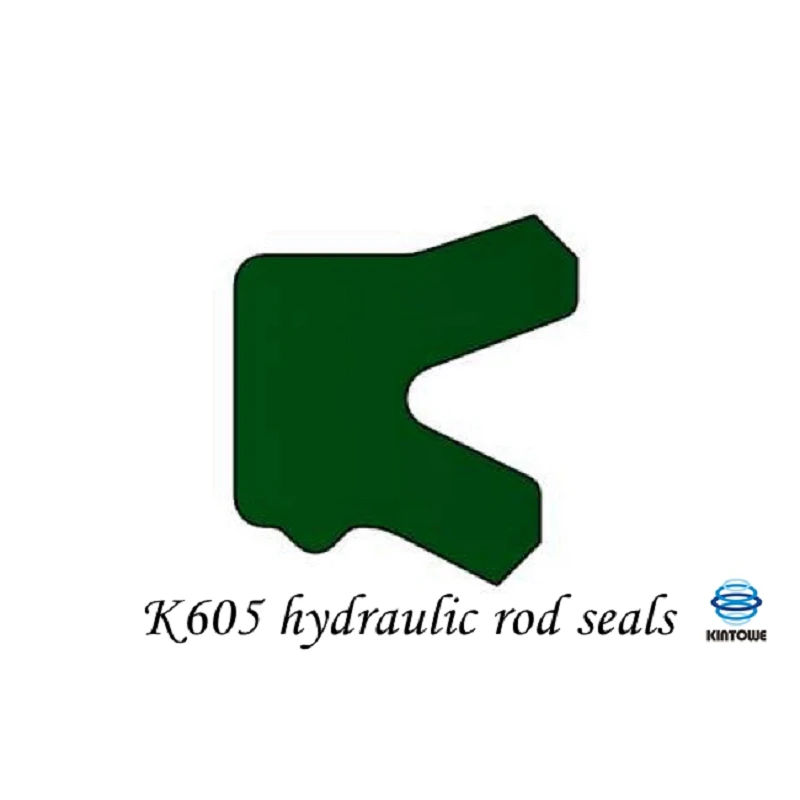
Hey there! As a rod seals supplier, I've seen firsthand how crucial it is to extend the service life of these little but mighty components. Rod seals play a vital role in hydraulic and pneumatic systems, preventing fluid leakage and maintaining system efficiency. In this blog, I'll share some practical tips and tricks on how to make your rod seals last longer.
1. Proper Installation
The first step in extending the service life of rod seals is ensuring they are installed correctly. A misaligned or damaged seal during installation can lead to premature failure. Here are some key points to keep in mind:
- Cleanliness is Key: Before installing the rod seal, make sure the rod and the housing are clean and free from any debris, dirt, or burrs. Even the smallest particle can cause abrasion and damage to the seal.
- Use the Right Tools: Don't try to force the seal into place. Use proper installation tools, such as a seal installer or a lubricated sleeve, to gently guide the seal onto the rod. This helps prevent cuts, tears, or distortion of the seal.
- Follow Manufacturer's Instructions: Every rod seal has specific installation requirements. Make sure to read and follow the manufacturer's instructions carefully. This includes the correct orientation of the seal, the recommended lubrication, and the proper tightening torque for any retaining rings or fasteners.
2. Select the Right Seal Material
The choice of seal material is critical in determining the service life of rod seals. Different materials have different properties and are suitable for different applications. Here are some common seal materials and their characteristics:
- Nitrile Rubber (NBR): NBR is a popular choice for general-purpose applications. It has good resistance to oil, fuel, and water, and is relatively inexpensive. However, it has limited resistance to high temperatures and some chemicals.
- Fluoroelastomer (FKM): FKM, also known as Viton, is a high-performance seal material that offers excellent resistance to high temperatures, chemicals, and fuels. It is often used in demanding applications where other materials would fail. However, it is more expensive than NBR.
- Polyurethane (PU): Polyurethane is a versatile seal material that combines the properties of rubber and plastic. It has excellent abrasion resistance, high tear strength, and good elasticity. Polyurethane seals are commonly used in hydraulic applications where high pressure and wear resistance are required. Check out our Polyurethane Single Lip Rod Seals for more details.
When selecting a seal material, consider the operating conditions, such as temperature, pressure, fluid compatibility, and the type of motion (reciprocating, rotating, or oscillating). If you're not sure which material is best for your application, feel free to contact us for expert advice.
3. Maintain Proper Lubrication
Lubrication is essential for reducing friction and wear between the rod and the seal. It also helps to prevent heat buildup and extend the service life of the seal. Here are some tips on maintaining proper lubrication:

- Use the Right Lubricant: Make sure to use a lubricant that is compatible with the seal material and the fluid in the system. Using the wrong lubricant can cause swelling, hardening, or degradation of the seal.
- Apply the Lubricant Correctly: Apply the lubricant evenly to the rod and the seal before installation. You can also add a small amount of lubricant to the fluid in the system to ensure continuous lubrication during operation.
- Monitor the Lubricant Level: Regularly check the lubricant level in the system and top it up as needed. Low lubricant levels can lead to increased friction and wear, which can shorten the service life of the seal.
4. Control the Operating Conditions
The operating conditions of the hydraulic or pneumatic system can have a significant impact on the service life of rod seals. Here are some factors to consider:
- Temperature: High temperatures can cause the seal material to degrade, lose its elasticity, and become brittle. Make sure to operate the system within the recommended temperature range for the seal material. If the temperature is too high, consider using a heat-resistant seal material or installing a cooling system.
- Pressure: Excessive pressure can cause the seal to deform, extrude, or blow out. Make sure to operate the system within the recommended pressure range for the seal. If the pressure is too high, consider using a high-pressure seal or installing a pressure relief valve.
- Fluid Contamination: Contaminated fluid can contain abrasive particles, dirt, or chemicals that can damage the seal. Make sure to use clean, filtered fluid in the system and regularly change the fluid and the filters.
5. Regular Inspection and Maintenance
Regular inspection and maintenance are essential for detecting and preventing seal failures before they occur. Here are some steps you can take:
- Visual Inspection: Regularly inspect the rod seals for signs of wear, damage, or leakage. Look for cuts, tears, abrasions, swelling, or hardening of the seal. If you notice any problems, replace the seal immediately.
- Performance Testing: Periodically test the performance of the hydraulic or pneumatic system to ensure that the seals are working properly. Check for leaks, pressure drops, or other signs of system malfunction.
- Preventive Maintenance: Establish a preventive maintenance schedule for the system and follow it religiously. This includes changing the fluid and the filters, inspecting and lubricating the seals, and replacing any worn or damaged components.
6. Consider Upgrading to High-Performance Seals
If you're experiencing frequent seal failures or need to improve the performance of your hydraulic or pneumatic system, consider upgrading to high-performance seals. High-performance seals are designed to withstand more demanding operating conditions and offer longer service life. Here are some examples of high-performance rod seals:
- Hydraulic Rod Step Seals: These seals are designed to provide excellent sealing performance in high-pressure hydraulic applications. They feature a stepped design that helps to prevent extrusion and improve sealing efficiency. Check out our Hydraulic Rod Step Seals for more details.
- Multi-Lip Rod Seals: Multi-lip rod seals have multiple sealing lips that provide better sealing performance and protection against contamination. They are often used in applications where there is a high risk of dirt or debris entering the system.
- Low-Friction Rod Seals: Low-friction rod seals are designed to reduce friction and wear between the rod and the seal, which helps to extend the service life of the seal and improve the efficiency of the system.
In conclusion, extending the service life of rod seals requires a combination of proper installation, the right seal material, proper lubrication, control of the operating conditions, regular inspection and maintenance, and, if necessary, upgrading to high-performance seals. By following these tips, you can save money on replacement seals, reduce downtime, and improve the overall performance of your hydraulic or pneumatic system.
If you're looking for high-quality rod seals or need help selecting the right seal for your application, don't hesitate to contact us. We're a leading rod seals supplier with years of experience and a wide range of products to choose from. Our Hydraulic Rod Seals are designed to meet the highest standards of quality and performance. Let's work together to find the best solution for your needs!
References
- "Sealing Technology Handbook" by John H. Birkhofer
- "Hydraulic and Pneumatic Systems: Design and Application" by Arthur R. Van Gerpen